How You Can Heal Your Life Helped Me Understand Depression

A Book That Found Me at the Right Time entered my life before I had the language to explain what I was experiencing. I had become a mother at twenty, and in the months that followed, I struggled with severe postnatal depression. This was the 1980s, when emotional distress, especially in young mothers, was rarely discussed. What I felt was heavy and persistent, yet it carried no socially acceptable name. As a result, confusion and isolation shaped those years, along with a great deal of silent endurance.
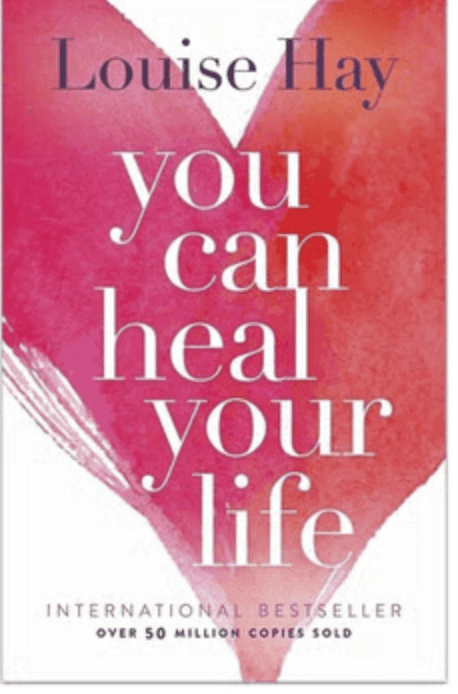
Then, in 1994, something shifted. A friend’s niece travelled from Chennai to Vijayawada to conduct a three-day workshop based on You Can Heal Your Life by Louise L. Hay. That workshop marked my first real encounter with the book. I had not read it earlier. Instead, I read it during the workshop itself, slowly and deliberately, chapter by chapter, alongside others. With guidance through every exercise, I began to see my experience not as a personal failing, but as something that could be understood and addressed.
Reading the Book Inside the Workshop Space
The way the workshop unfolded allowed me to pause, reflect, and feel without pressure.After each chapter, we wrote and engaged with carefully designed activities. There was no pressure to fix or resolve anything quickly. Instead, the process encouraged observation and awareness of patterns that had gone unquestioned for years.
At that time, the word “depression” was barely spoken aloud, particularly within Indian households. Emotional suffering was often dismissed as something to be endured quietly. In contrast, the workshop offered language, context, and reassurance. It created a space where inner experiences could be acknowledged without judgment.
One line from the book stayed with me, not as instruction, but as comfort:
“Be gentle with yourself. You are doing the best you can.”
— Louise L. Hay
That sentence changed how I spoke to myself. Gradually, I understood that what I was experiencing was neither weakness nor failure. It was an illness, and like any illness, it required care rather than shame.
Another message from the book remained with me long after the workshop ended:
“The power is within you to heal your life.”
— Louise L. Hay
Together, these ideas reshaped my understanding. I was not broken, and I was not failing. Instead, I was learning to recognise my own strength and extend compassion inward.

Understanding Depression Without Shame
The exercises encouraged honesty without self-blame. Writing after each chapter helped me connect emotional patterns with lived experience. Over time, one truth became clear: healing does not begin with denial. It begins with acceptance.
Eventually, I started talking about depression. That step was difficult. Although some listened politely, others responded with discomfort or judgment. Even so, I continued. Silence had already caused enough harm.
Speaking and writing became deeply healing practices for me. They created a release that once had suppression. With depression, acceptance is the first step. After that comes the courage to speak, to ask for help, and to continue doing so. I still follow these steps today.

Why This Book Still Matters to Me
I often think about how this book entered my life quietly and stayed. You Can Heal Your Life did not promise quick solutions. Instead, it offered compassion and a framework for understanding emotional pain. If you are carrying experiences you have learned to hide, or if you are struggling to name what you feel, this book may offer reassurance. Healing often begins with acceptance and grows when we speak openly. Seeking support is not a weakness. It is a necessary and courageous step.






 @wordsmithkaur
 @wordsmithkaur