What Peace Looks Like to Me
When Grief Became Visible
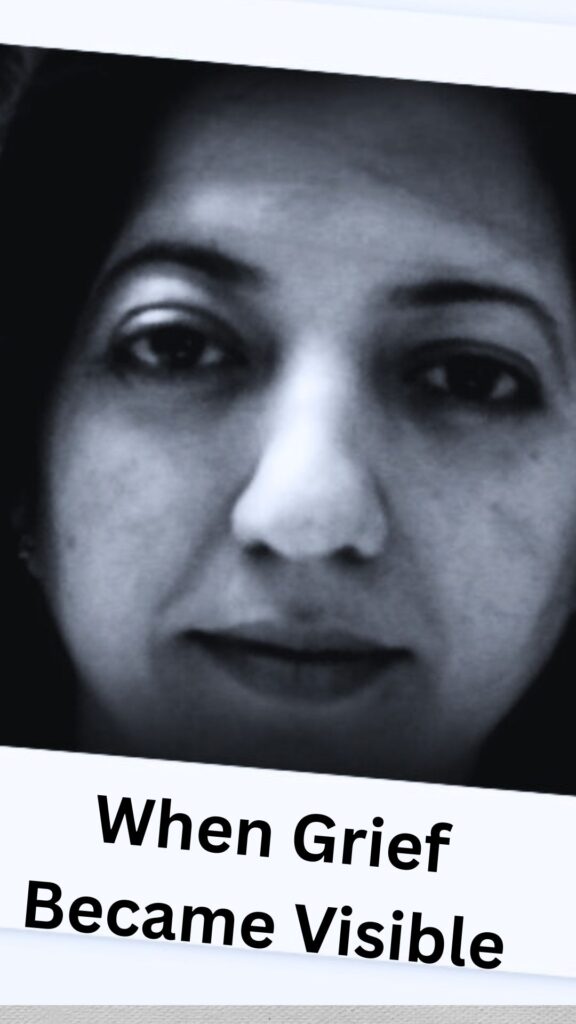
After my husband passed away, I believed that my family and friends would offer comfort. Instead, I became acutely aware of being observed. Conversations paused when I entered a room. Glances lingered a second longer than usual. Even ordinary outings carried a sense of evaluation. Sympathy existed, certainly, yet curiosity often travelled alongside it. In smaller spaces, personal loss rarely remains private. It becomes shared knowledge, discussed gently but discussed nonetheless. This is What Peace Looks Like to Me.
While I tried to process sorrow, I also felt assessed. The way I dressed seemed to matter. The frequency of my appearances outside seemed to invite interpretation. Smiles drew silent calculations. Silence concluded.
Grief needs privacy to breathe. Constant awareness disrupts that process. Over time, the environment felt heavier than the loss itself.
The Second Blow and a Difficult Realisation
Five years ago, my son passed away. That loss altered my internal world permanently. Losing a partner changes the structure of daily life. Losing a child rearranges the soul. If you’ve been following my journey through the Blogchatter challenge, you may remember I wrote about rebuilding routines after grief in Day 12.
During that fragile period, emotional energy ran low. Strength existed, but it required careful preservation. However, the familiar surroundings that once felt safe began to feel suffocating. Every interaction carries history. Every neighbour knew the details. And every street held memory layered with commentary.
Eventually, clarity replaced hesitation. Healing could not continue under observation. Recovery required distance from narrative, not distance from memory. The memories would travel with me regardless.
A decision was formed quietly but firmly.
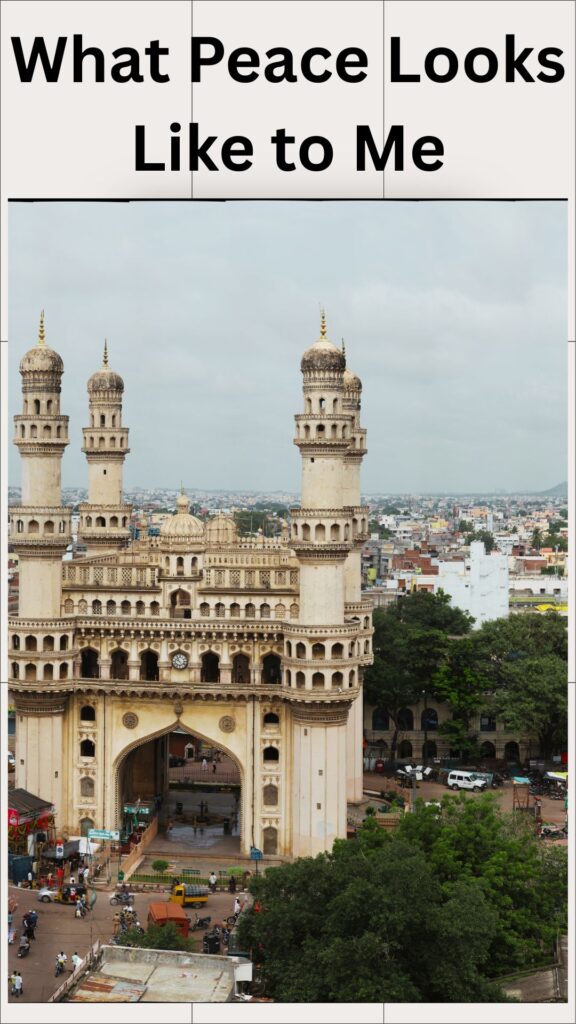
Choosing Hyderabad for Peace
Relocating to Hyderabad was not impulsive. The move was deliberate and protective. Reinvention was never the goal. Mental safety was.
This city offered anonymity without isolation. Shopkeepers greeted me without referencing the past. New acquaintances met the present version of me first. Conversations began with everyday topics rather than condolences.
Gradually, shoulders relaxed.
Hyderabad carries an unspoken philosophy: live and let live. People focus on their own responsibilities and ambitions. Rarely does anyone pause to dissect another person’s choices. That cultural rhythm provided emotional breathing room.
Space makes a difference. Physical distance softened social pressure. Without constant awareness, healing progressed more naturally.
Rebuilding Through Small Acts
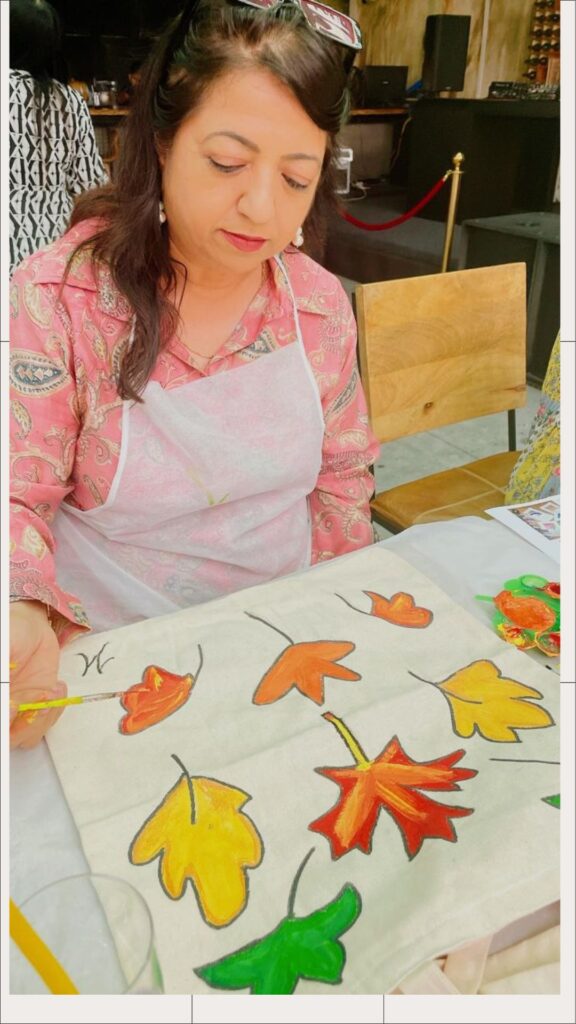
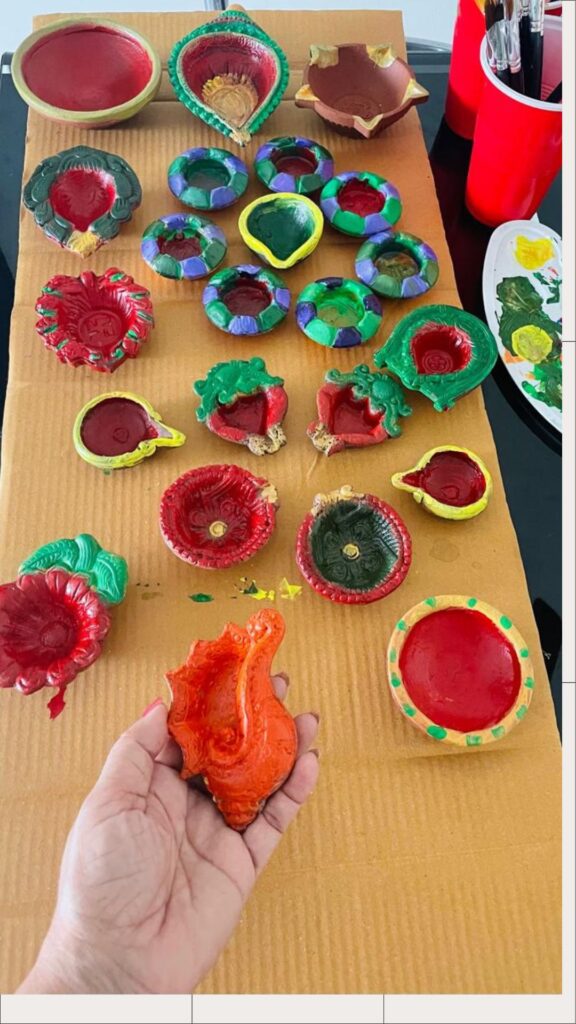
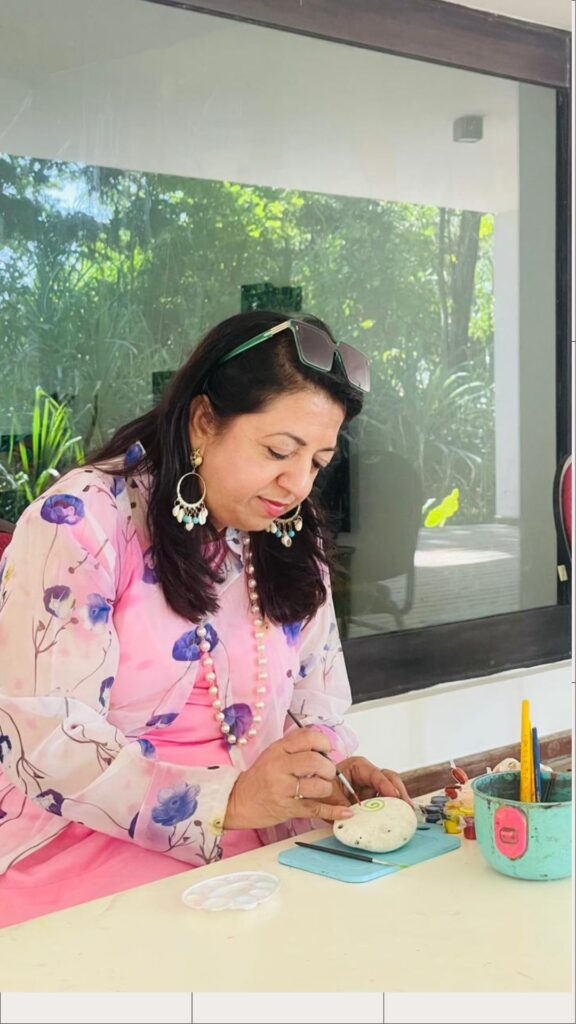
Life did not transform overnight. Instead, progress unfolded through ordinary experiences.
Workshops became small anchors of curiosity. Singing sessions introduced lightness into heavy weeks. Evenings at stand-up comedy shows brought genuine laughter without guilt. Creative afternoons with tote painting, crochet experiments, or clay modelling redirected restless thoughts into tangible forms.
None of these activities erased grief. They did, however, reduce its dominance.
Engagement creates movement. Movement prevents stagnation. Each new skill attempted became a quiet statement: life continues.
Over time, participation replaced hesitation.
Lakeside Walks and Quiet Strength
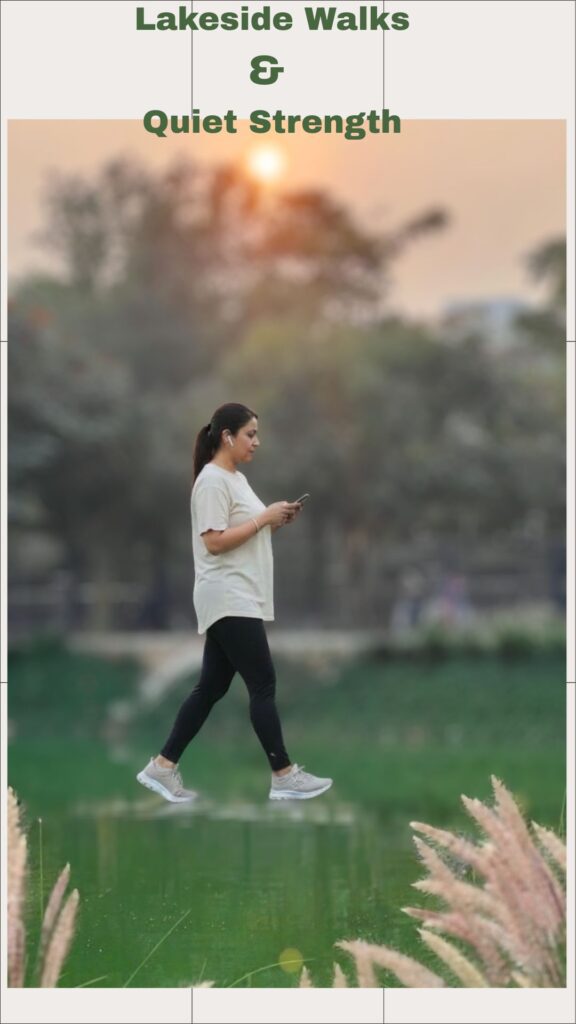
Evening walks by the lake shaped the most meaningful shifts. The steady rhythm of footsteps settled scattered thoughts. Reflections on water mirrored changing skies without judgment. Air moved freely, unconcerned with human narratives.
During those walks, identity simplified. No labels accompanied me. No explanations required, preparation. Only breath and movement remained.
Some evenings brought tears. Other evenings brought calm. A few passed in silence without emotion. All were valid.
Consistency built resilience. Returning to the same path each day created a quiet promise: keep going.
Gradual strength feels less dramatic but far more sustainable.
Understanding Peace Differently
Earlier in life, silence from others felt like approval. Over time, experience corrected that belief. External validation shifts easily. Opinions change according to perspective, culture, or mood.
Stability grows internally.
Filtering voices became necessary. Not every comment deserves space. Not every glance warrants interpretation. Protecting emotional energy allowed clarity to return.
Detachment developed slowly. Wisdom often arrives that way.
Today, choices revolve around steadiness rather than acceptance. Activities that nourish remain. Situations that drain quietly fade away.
Living Without Defence
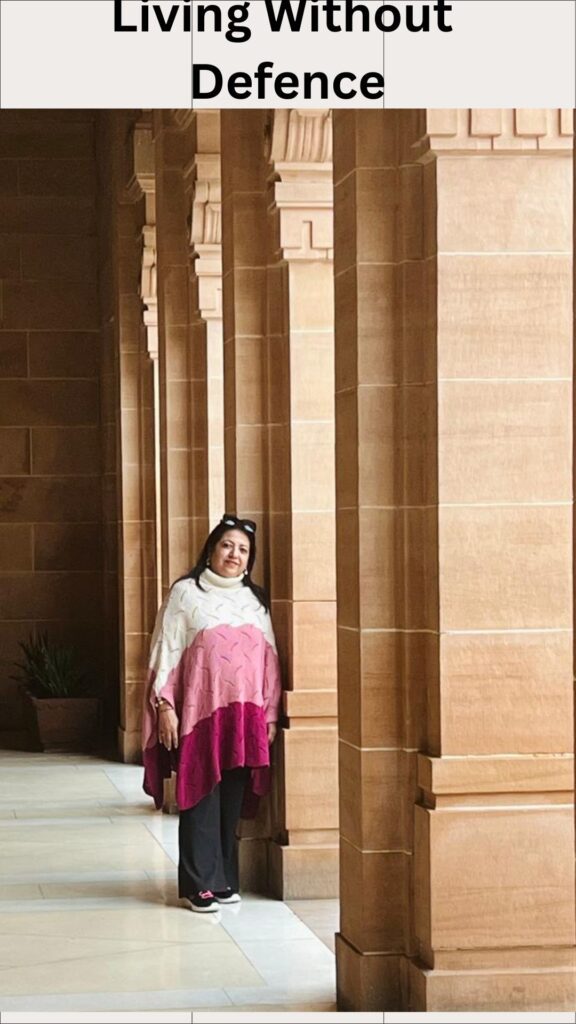
Life now feels calmer inside.
Stepping outside no longer triggers anticipation of judgment. The lake invites reflection rather than escape. Sleep arrives more easily when mental rehearsals stop. Creative work unfolds without the need for explanation.
These shifts may appear subtle. Their impact runs deep.
Relocation created distance from scrutiny. Time strengthened perspective. Loss reshaped priorities. Together, those elements formed a quieter foundation.
Peace does not resemble celebration. It resembles steadiness, feels like ownership of one’s pace. It allows space for laughter without apology and solitude without suspicion.
Living in Hyderabad did not remove grief. It removed the audience.
That difference changed everything.
Today, peace looks like a simple evening walk, a workshop attended without justification, a comedy show enjoyed without self-consciousness, and a night of uninterrupted rest. Most importantly, it feels like living without constant defence.
After years of navigating loss under watchful eyes, that quiet freedom feels extraordinary.
And that is what peace looks like to me.






 @wordsmithkaur
 @wordsmithkaur