The Routine I Didn’t Know I Needed After 50
For years, I believed routine was restrictive. It sounded mechanical, uninspiring, and predictable. Life, I thought, should feel spontaneous and emotionally driven. Structure seemed like something imposed from the outside — not something chosen. What I did not realise was that the right routine does not confine you. It steadies you.The Routine I Didn’t Know I Needed After 50began quietly, without a grand decision. It formed gradually, shaped by small choices that brought calm to my mornings and clarity to my days. Over time, those small choices became anchors.Looking back now, I see that this daily rhythm did more than organise my time. It reorganised my mind.
Mornings That Begin With Yoga
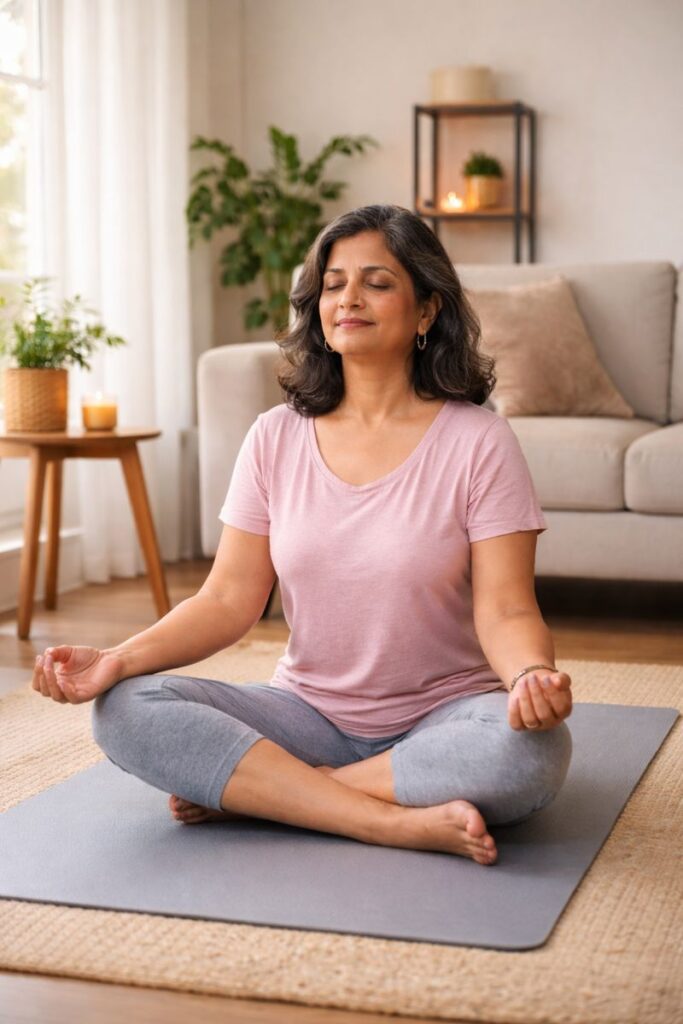
Every morning begins with yoga.
Not because it is fashionable. Not because it is dramatic. But because it creates alignment — physically and emotionally.
The stillness before the world fully wakes up feels sacred. Stretching into the day allows the body to loosen and the mind to settle. Breath by breath, thoughts slow down. Anxiety loses its urgency. The day begins with awareness rather than reaction.
There is something powerful about meeting yourself before meeting the world.
Yoga has taught me that strength is not loud. Flexibility is not weakness. Balance requires attention. And ageing, when embraced with care, can feel graceful rather than burdensome.
That single morning practice sets the tone for everything that follows.
Writing as Daily Reflection
After yoga comes writing.
Writing is not simply work for me; it is a reflection in motion. Words help me process emotions that might otherwise linger unexamined. They create clarity where confusion once lived.
Some days, writing flows easily. On other days, it demands patience. But consistency matters more than inspiration. Showing up to the page every day has become an act of discipline and devotion.
Through writing, I stay connected to myself. Thoughts that might spiral inward find direction. Experiences transform into meaning. Even uncertainty feels manageable when translated into language.
The routine of writing keeps my inner world organised, even when life feels unpredictable.
Keeping Creativity Alive
Beyond yoga and writing, I consciously keep myself engaged in creative expression.
Art, in any form, has a way of refreshing the spirit. Whether it is learning music, experimenting with new ideas, or simply immersing myself in something imaginative, creativity prevents stagnation.
Staying busy is not about avoidance. It is about nourishment.
Idle time, when unstructured, can invite overthinking. Creative activity, on the other hand, channels energy into growth. It builds focus. It strengthens patience. Also reminds me that learning does not have an expiry date.
Remaining creatively active after 50 is not about productivity; it is about vitality.
The Healing Simplicity of Walking
Daily walks have become another essential part of this routine.
Walking clears mental clutter in a way few things can. The rhythm of movement brings perspective. Problems shrink. Gratitude expands.
There is also quiet joy in noticing small details — trees swaying, light shifting, distant sounds blending into the background. These simple observations ground me in the present moment.
Movement, even gentle movement, reinforces independence. It reminds me that caring for the body is an investment in freedom.
Eating Well as Self-Respect
Healthy eating was once something I associated with obligation. Now it feels like self-respect.
Choosing nourishing food is not about restriction. It is about intention. Energy levels improve. Mood stabilises. Sleep deepens.
When meals become mindful rather than rushed, the body responds with gratitude. Over time, these choices accumulate into resilience.
A balanced routine supports not only physical health but emotional steadiness.
The Quiet Power of Consistency & Finding Stability in Simple Daily Rituals
None of these habits is extraordinary on its own. Yoga. Writing. Creativity. Walking. Healthy meals.
What makes them powerful is consistency.
This routine does not demand perfection. It asks only for presence. It has become a foundation — something steady beneath life’s uncertainties.
The routine I didn’t know I needed has given me something invaluable: rhythm. And rhythm brings peace.
Structure, I have discovered, does not limit freedom. It creates it.
In caring for my body, mind, and creativity each day, I am not merely passing time. I am strengthening myself quietly, intentionally, and sustainably.
Sometimes the routines we resist are the very ones that restore us.






 @wordsmithkaur
 @wordsmithkaur