From Recipe Photos to a Food Story Worth Sharing
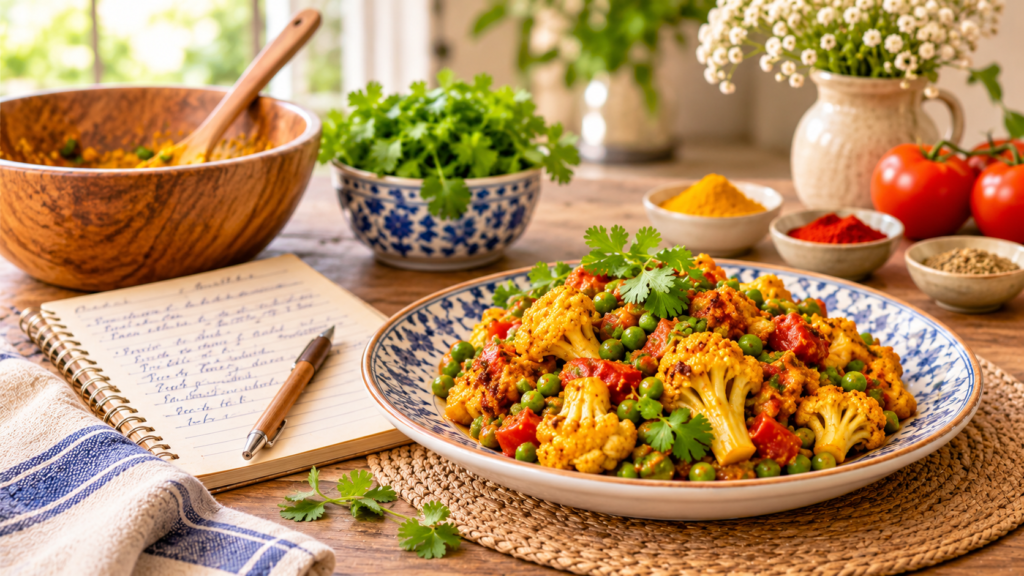
A finished plate can tell part of a story, but it rarely explains the whole journey. The folded napkin, the bowl used for mixing and the handwritten recipe beside the stove may give a reader something else to notice. Food storytelling begins with choosing those details deliberately, then connecting them with words that describe what actually happened. A collection of real recipe photographs is a useful starting point. It can become a short photo essay, a simple slideshow or, when clearly labeled, an illustrated animation. The format matters less than the distinction between documenting your cooking and imagining a visual treatment of it. This takes you From Recipe Photos to a Food Story Worth Sharing.
Decide what the story is about
Before arranging photographs, write a single sentence explaining the story. Perhaps it is about making a familiar dish with a different serving arrangement, preparing a small lunch or packing a homemade snack for a journey. Choose one thread instead of trying to include every ingredient, memory and preparation step.
Select photographs with different jobs
Keep the sentence grounded in your own notes. If you did not learn the recipe from a relative, do not add a family tradition because it sounds charming. If a dish inspired a travel memory, separate that memory from the current cooking session. A home photograph does not establish that you visited a particular restaurant or market.
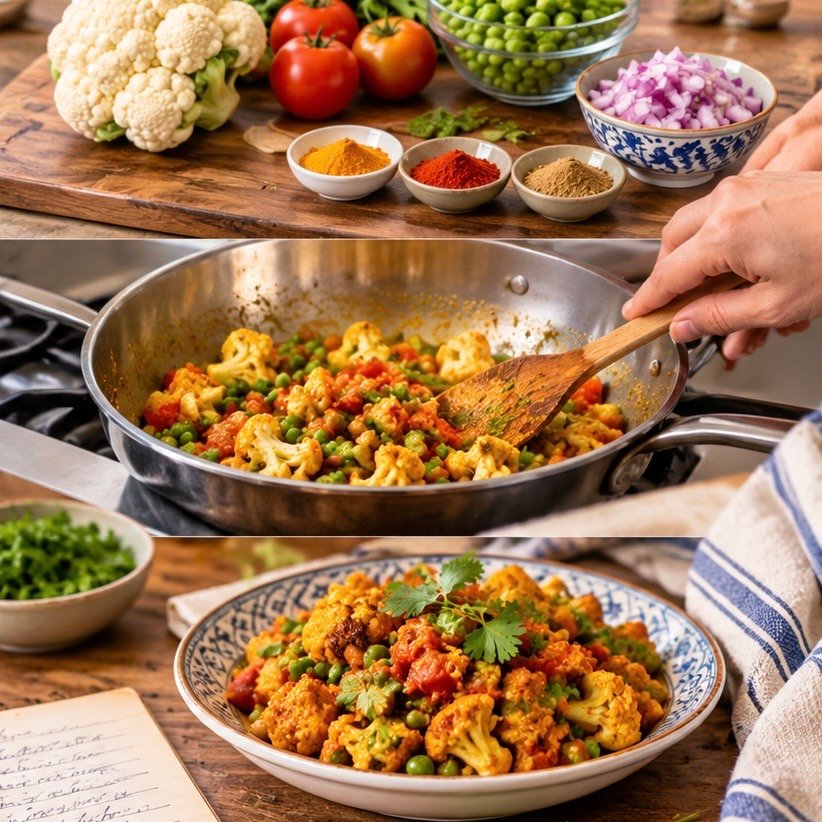
Choose three to five photographs rather than several nearly identical views of the finished plate. One picture might introduce the ingredients, another show an actual preparation stage and a third present the serving. An additional detail, such as a spoon beside a handwritten note, can provide a quieter ending.
Each photograph should answer a question. What is being prepared? Which step does this image show? What changed between preparation and serving? Keep the original files so that later crops or illustrations can be distinguished from the source photographs. Use pictures you own or have permission to reuse, and credit another photographer when appropriate.
Before sharing a kitchen photograph, look beyond the plate. Remove a delivery label, address, private message or other personal detail from the frame. Ask permission before including recognizable guests. A crop may be enough; there is no need to replace the whole scene with an imagined kitchen simply to clear an unwanted detail from the background.
Write captions before choosing effects
A caption can carry information that a visual effect cannot. Instead of “a delicious creation,” describe a visible detail: “The chopped herbs were added before the bowl went to the table.” Include recipe quantities or timing only when they come from the actual recipe record, rather than an estimate made while editing photographs.
For a personal essay, add one specific observation that belongs to the occasion. Perhaps the table was set beside an open window, or the lunch was packed in a familiar container. Avoid inventing comments from guests or claiming that everyone loved the dish. If a recollection is uncertain, keep the caption factual and let the photograph carry the mood.
Keep the recipe evidence intact
Use genuine preparation photographs when the reader needs to see a cooking step. An invented image cannot confirm how a dough looked, how much a mixture thickened or whether food was fully cooked. Preserve the recipe instructions separately from the creative presentation, particularly when readers may use the post while preparing the dish themselves.
A close crop can draw attention to a garnish, but it should not hide a detail needed to understand the step. Similarly, changing the color of a sauce or adding ingredients digitally can make a recipe photograph misleading. When an image has been substantially altered for illustration, explain the change instead of presenting it as an untouched record.
Add optional animation with a clear purpose
If the story calls for a brief visual introduction, an image to video tool is one option. Magic Hour lets a creator use a starting image, add an optional motion description, then generate, preview and download a clip. This capability offers an illustrated treatment of a photograph; it does not reconstruct the cooking session.
For example, a suggested prompt might request a gentle camera movement toward a real photograph of a plated lunch. Keep the intended motion modest and describe what should remain visible. This is an untested planning example. A generator may alter the food, dishes, background or lettering, even when the starting photograph is genuine.
Place an explicit caption near the clip, such as “AI-generated animation based on my original recipe photograph.” Do not use generated steam to suggest that the meal was photographed hot, or animated pouring to imply that a preparation step was filmed. Keep the original still available so readers can see the source image.
Review every frame that changes the story
Watch the clip before publishing it. Check the ingredients, plate edges, utensils and any handwritten text. A spoon that changes shape or a garnish that disappears can confuse the presentation. If the generated motion alters the recipe evidence, discard that version rather than trying to explain away the difference.
Also inspect the surrounding copy. A sentence written for a still photograph may imply that an animation records a real action. Change the caption to identify the illustration, or use the original photograph instead. Avoid adding invented sounds of sizzling, pouring or conversation that could make an imagined sequence seem like documentary footage.
Make a complete version without AI
A simple slideshow can communicate the same sequence using your unchanged photographs. Arrange the ingredients, preparation and serving in order, add readable captions and use straightforward transitions. Another option is a photo essay with a short paragraph beneath each image. Neither format requires simulated movement.
For readers who prefer still images, include a photograph and a concise description alongside any video. Keep important recipe information in text that can be read without playback. Choose background audio only when you have permission to use it, and avoid making sound necessary to understand the story.
Save the captions beside the original files in a clearly named folder. If you revisit the recipe later, that small record helps distinguish the first cooking session from a new version.
Finish by reading the post as someone encountering the recipe for the first time. Can they distinguish the dish you made, the occasion you remember and the illustration you created? When those boundaries are clear, a modest set of photographs can become a thoughtful food story without adding an experience that never happened.





 @wordsmithkaur
 @wordsmithkaur