How Aboriginal Art Pieces Actually Transform Interior Design Projects
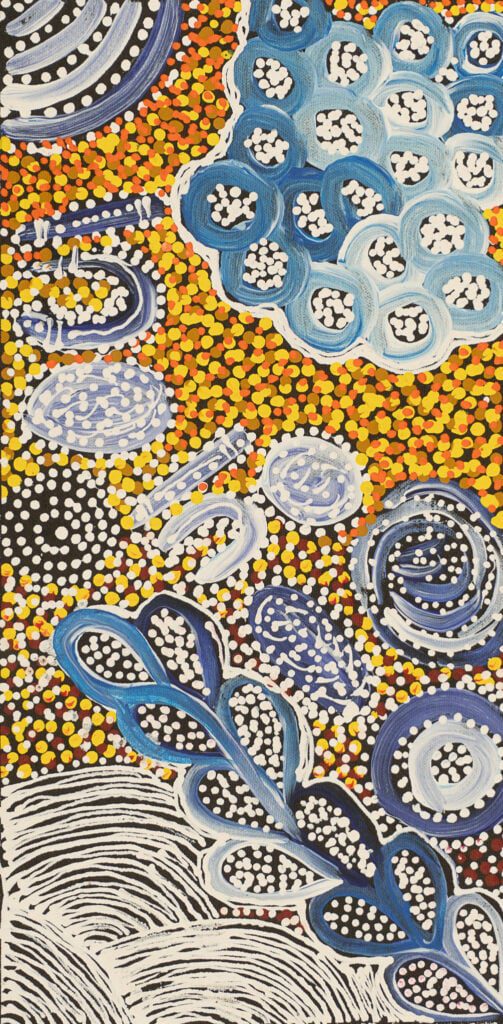
You enter a space; you see an Aboriginal art piece hanging on the wall. Immediately, the space resonates differently with you. It feels more grounded, intentional, and alive. This reaction explains how Aboriginal art pieces actually transform interior design projects from inception to completion. It is also why interior designers have gravitated toward these works over the past few years.
These pieces are not at-fill art for neutral wall spaces. Aboriginal art brings a level to a room that very few design elements can. Thousands of years of visual storytelling appear through dot work and intricate patterns. The work is detailed yet easy on the eye. Its authenticity naturally encourages everything else in the room to align around it.
The Element That Grounds All
Typically, interior design follows a familiar sequence. Furniture comes first. Lighting decisions follow. Colours are selected next. The art component is often added last to complement an already determined space.
With Aboriginal art, the process reverses completely. These pieces are so substantial that they can begin the conversation on their own. A designer can select one Aboriginal artwork and build the entire colour scheme from the earthy tones or vibrant pigments within a single canvas.
This approach simplifies fabric and textile decisions. Upholstery and complementary furnishings begin to make sense naturally. Even lighting can be coordinated to emphasise texture. From a distance, multiple planes of appreciation exist. Up close, the desire to study fine detail becomes irresistible.
When designed this way, cohesion does not feel forced. Instead, it feels natural. If art were treated as an afterthought, the result might feel overly coordinated. Here, the space feels collaboratively engaging instead.
Perceptions of Size
Many people underestimate the importance of scale when it comes to Aboriginal art. A small piece wedged onto a busy wall will never have the same impact as a sizable work given room to breathe.
Designers often go larger than most clients initially expect. A six-foot canvas in a living room is not oversized. It is appropriately scaled. Dot work and layered patterns require space for their full significance to be appreciated.
From across the room, viewers can read the composition and intent. Up close, brushstrokes, technique, and even pigment variation become visible. A substantial piece changes how a room functions. It becomes a naturally dictated focal point. Seating arrangements and circulation begin to revolve around it. Conversations, quite literally, form in its presence.
Colour Schemes That Actually Work
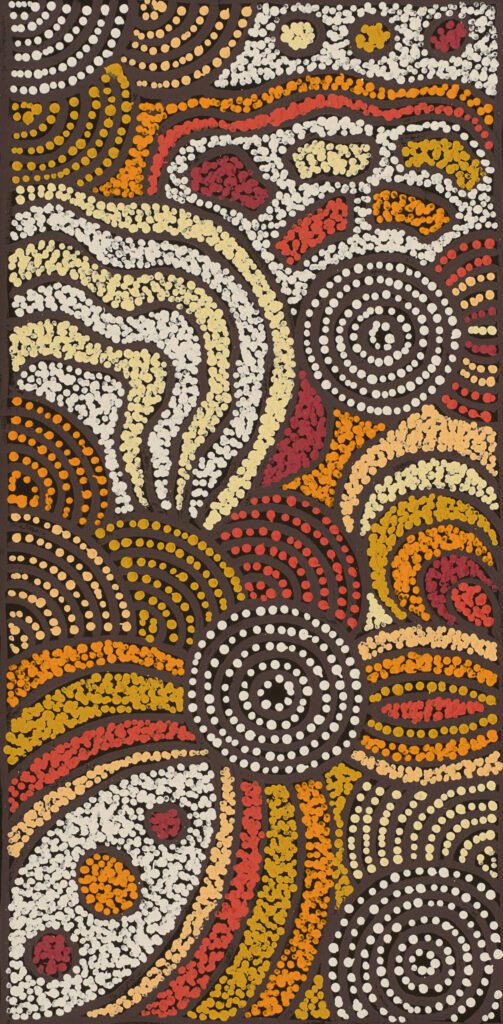
Aboriginal art resolves one of interior design’s biggest challenges: creating colour balance without overpowering a space. Traditional Aboriginal palettes feature earth tones, ochres, blacks, and whites. Contemporary Aboriginal pieces expand this range dramatically.
Some works incorporate daring blues, purples, and greens. In other mediums, these colours might feel overwhelming. However, the dot patterning and cultural rhythm allow even bold colours to hold their ground without chaos.
A deep blue Aboriginal piece can command a room finished in neutral tones. Purples and pinks that might otherwise compete find harmony within culturally rich patterning. Designers then pull accent colours directly from the artwork. A burnt orange becomes a throw pillow detail. Deep browns reappear in wood finishes. The result feels intentional and sophisticated, not accidental.
Texture Challenges Most Designers Face
Modern design trends favor linear elements. Polished concrete floors, boxy cabinetry, minimal hardware, and open storage dominate many interiors. While visually striking, these spaces can feel cold and two-dimensional in person.
Aboriginal art introduces texture and visual weight. It completes the space.
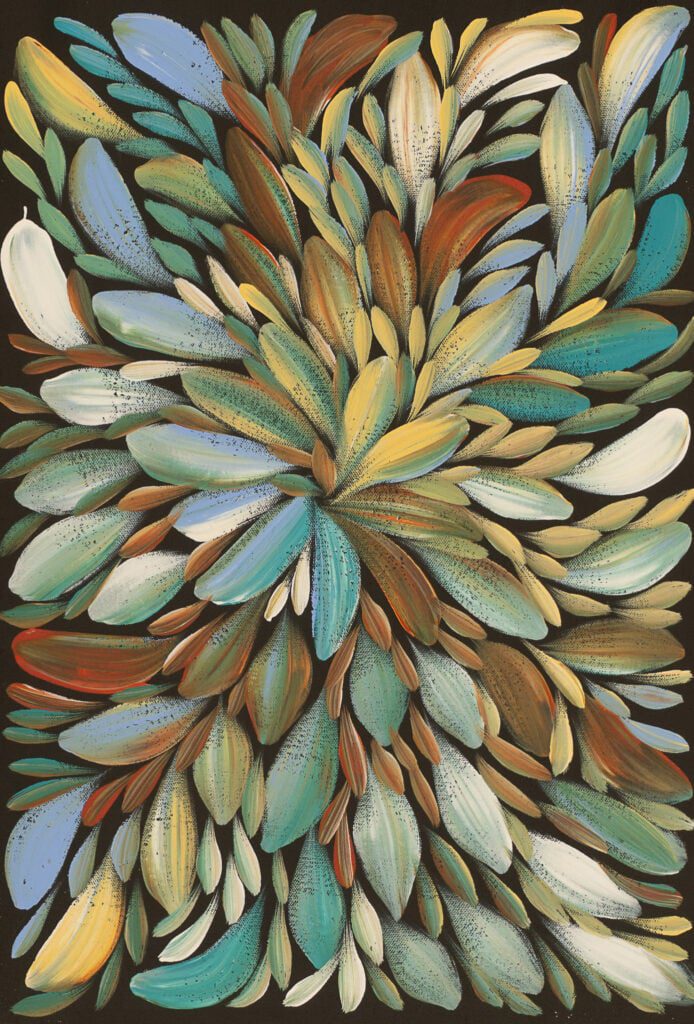
Not all Aboriginal works are flat canvas pieces. Many feature dimensional qualities created through layered paint applications. Dot work often requires multiple sessions over weeks to build depth and surface texture.
This texture interacts with light throughout the day. The artwork feels dynamic rather than static. Collections displayed on websites like aboriginal-art-australia.com visually demonstrate how varied execution techniques create different textural qualities. These qualities complement modern architectural lines beautifully.
Even from a distance, pattern alone creates visual texture. Organic elements soften stark modern motifs. Spaces that might otherwise feel industrial or sterile gain warmth and humanity.
Authenticity Fosters Psychological Shift
People instinctively sense whether cultural art is authentic or decorative. Aboriginal art carries genuine stories, cultural significance, and artistic lineage that extend far beyond surface appeal.
Guests respond differently to this authenticity. Rather than asking where the piece was purchased, they ask about the artist and the story behind the work. Respect emerges naturally, even without conscious effort.
An authentic Aboriginal piece grounds a space more powerfully than generic wall décor ever could. The integrity and thoughtfulness embedded in the work create an energy that feels engaging and respectful.
In commercial spaces such as hotels and restaurants, this impact multiplies. The presence of authentic Aboriginal art communicates intention, care, and meaningful curation rather than purely aesthetic decision-making.
Where It Gets Complicated
Practical considerations do apply. Aboriginal artworks require thoughtful lighting. Proper illumination protects the piece while showcasing its detail. Track systems or picture lights work well when positioned correctly.
Excessive direct light can cause fading. Insufficient light hides intricate sections of the work. Balance is essential.
Wall colour also matters. Aboriginal art adapts well to many backgrounds, but darker walls may cause edges to recede in low-light conditions. Soft whites and light greys remain universally effective. They soften competing elements and let the artwork be the primary focal point.
Framing choices require similar consideration. Some pieces benefit from clean-lined frames. Others, particularly canvas works, appear best unframed for a contemporary effect. The decision depends on the artwork and the room’s overall concept.
When One Piece Influences Other Rooms
Once an Aboriginal artwork is placed in one space, its influence often extends throughout the home. Colours from a living room piece inform bedroom palettes down the hall. Patterns translate subtly into textiles and soft furnishings.
This approach is not about matching everything. It is about creating a visual conversation. Strong presence in one space establishes a dialogue that echoes elsewhere without repetition.
What Does This Mean Going Forward
Aboriginal art is not a trend destined to fade away. It has existed on its own merit for millennia. Because of this, its presence in interiors remains relevant over time.
These works change how spaces function. They deepen emotional connection and personal investment. When one element elevates everything around it, the result becomes greater than the sum of its parts.
That enduring, transformative appeal is precisely what Aboriginal art offers.






 @wordsmithkaur
 @wordsmithkaur