The Advice I Ignore But Know Is Right: Learning to Rest at 62
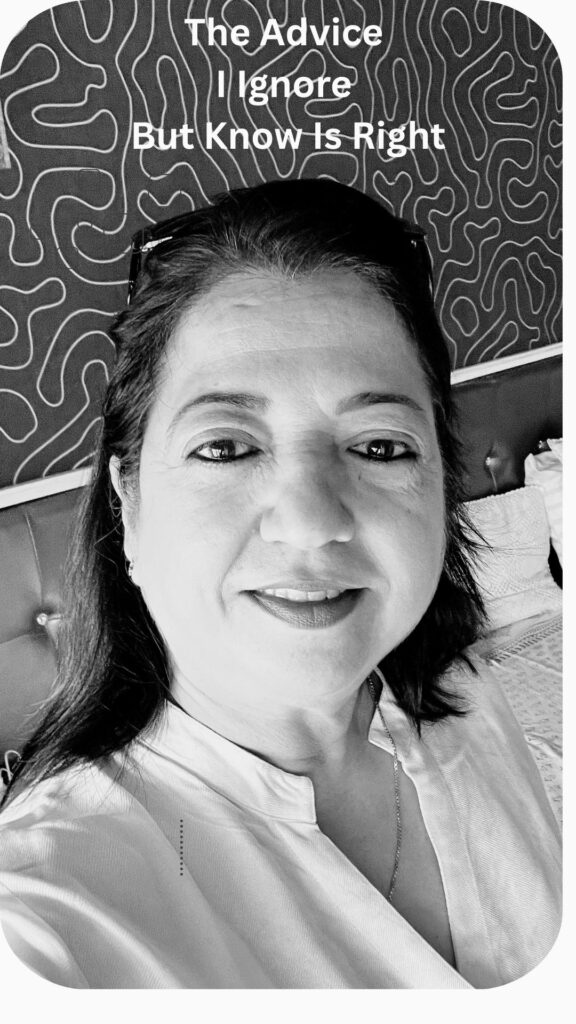
There is a sentence that has followed me through decades of activity, achievement, and obligation. The advice I ignore but know is right has been whispering to me for years: you do not have to do everything.
In school, we were warned that an idle mind invites mischief. I absorbed that lesson as moral truth. Activity meant virtue. Stillness felt suspect.
Our school crest bore the words “To Serve With Love,” and at home my father reinforced the same belief — that a meaningful life is one spent in selfless service. I admired that ideal. I built my character around it.
And so, I kept moving. Some lessons enter quietly and never leave. I became the dependable one. The capable one. The one who anticipated needs before they were spoken. Service did not feel like a sacrifice. It felt like a purpose.
Yet somewhere along the way, I forgot that the self also has needs.
The Habit of Always Doing

Even now, rest feels unfamiliar. When I sit down, my mind refuses to follow. It rearranges tomorrow’s schedule, plans a meal, drafts a paragraph, and organises a drawer that does not need organising.
Silence makes me uneasy. Productivity reassures me. I realise this did not happen overnight. It formed slowly, layer by layer – through school lessons, family values, cultural expectations, and quiet applause for endurance. Women of my generation were rarely invited to pause. We were expected to continue. So we did.
Loving Everyone but Ourselves
We were taught to love our neighbour as ourselves. It sounded expansive and noble. But no one lingered on the implication -that the measure of our love for others depends on how we regard ourselves.
We extended patience outward, offered forgiveness outward. We showed compassion outward.
Inward, we demanded more. Even after learning that self-respect is not selfishness, I still hesitate. Giving feels natural. Receiving feels awkward. Allowing someone else to take charge unsettles me. If I am not useful, who am I? That question sits deeper than I care to admit.
At Sixty-Two
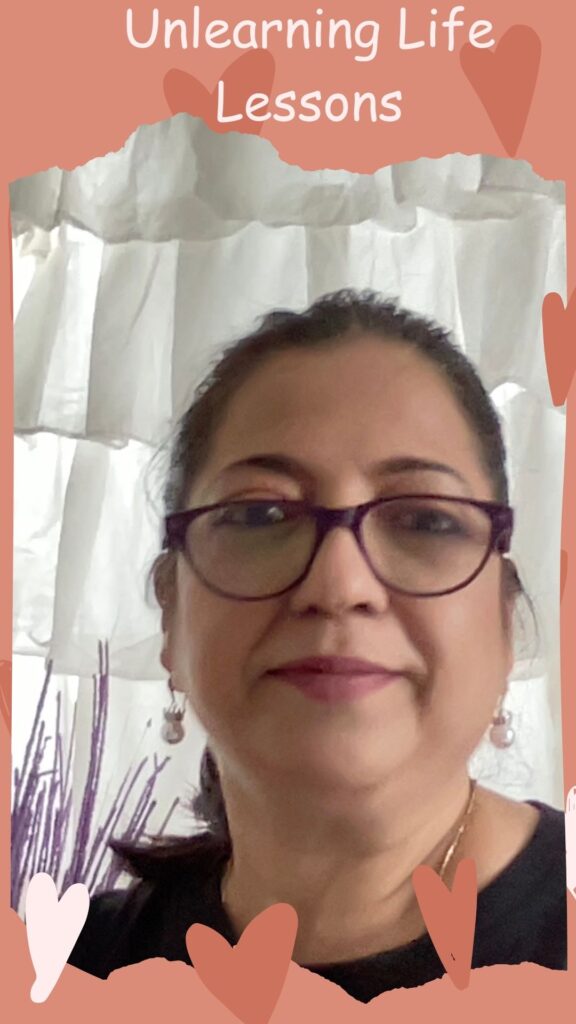
Now, at sixty-two, I find myself attempting something far more difficult than managing a household or building a career. I am trying to untangle the belief that my worth depends on constant effort. It is not easy.
There is a part of me that still feels guilty when I rest. A part that hears those early teachings and believes I must remain alert, productive, indispensable.
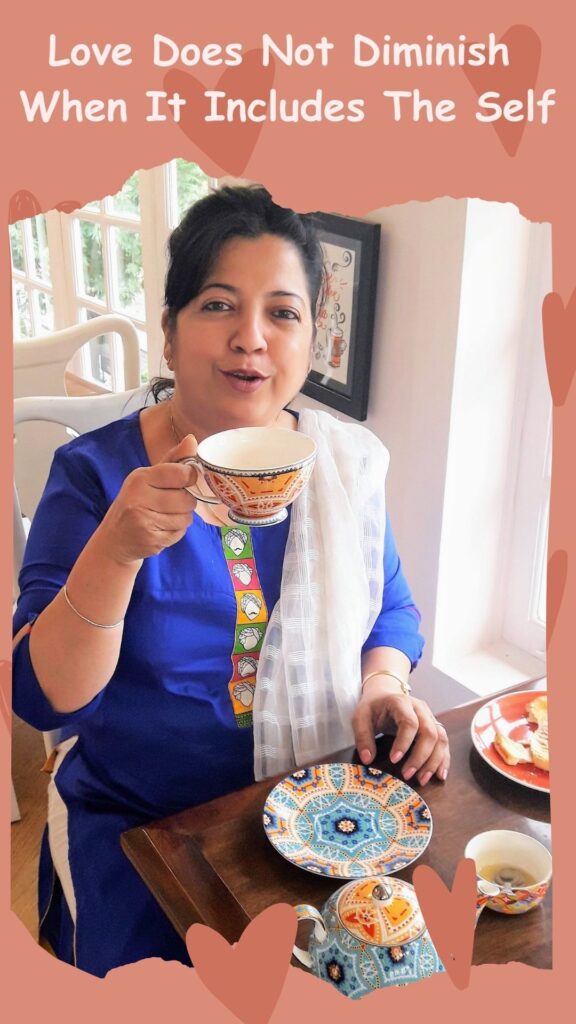
But there is another part – softer, wiser – that longs to sit quietly without justification. To drink tea without multitasking. To exist without performing usefulness.
Redefining Strength
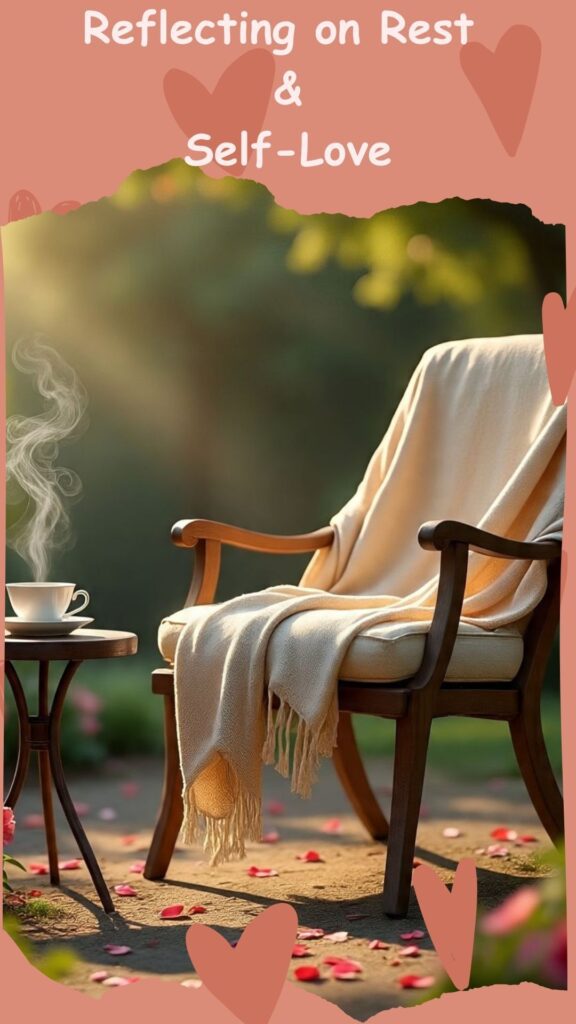
Perhaps strength is not endless endurance. Perhaps it is permission. Permission to decline, to pause.Permission to receive help without explanation, to matter beyond output.
I have spent decades serving with love. I do not regret it. Love given freely is never wasted. Yet I am beginning to understand that love must include the giver.
If I can nurture others, I must learn to nurture myself. If I believe every human being deserves tenderness, I cannot logically exclude my own weary heart.
A Gentle Beginning
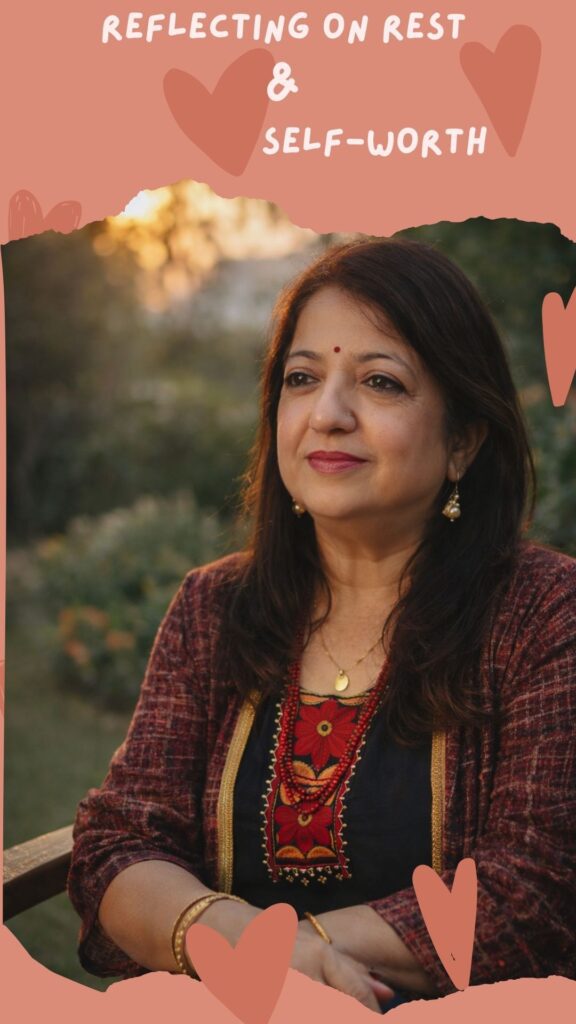
Rest is still unfamiliar territory. On certain afternoons, I deliberately leave a task undone. On others, I decline an invitation without constructing a careful explanation. There are moments when I sit in the garden and watch the light shift, resisting the urge to turn that quiet into productivity.
To most people, these gestures are ordinary. For me, they feel almost rebellious.
Stillness no longer feels like failure. It feels like recovery. It feels like loosening a lifelong grip on the belief that usefulness determines worth.
Somewhere inside me lives the young girl who equated busyness with goodness. Somewhere else stands the woman who gave and gave because that was what love looked like. Today, both are learning something gentler.
Love does not diminish when it includes the self.
Care does not weaken when it circles back inward.
Service does not lose meaning when the giver also rests.
After a lifetime of offering, I am discovering that devotion can be directed homeward.
And perhaps the most radical act of love, at this stage of life, is allowing myself to receive it.