The Hidden Problem That Makes Your AC Work Harder Than It Should
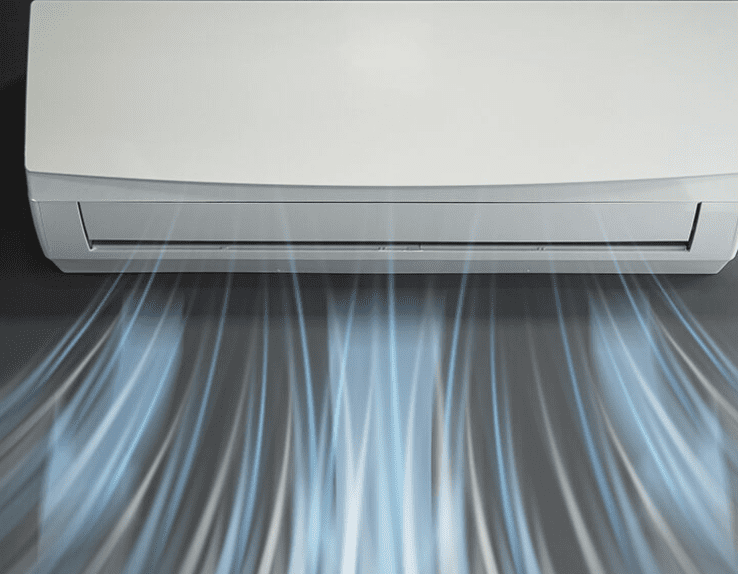
Many homeowners assume their AC system is simple. It either blows cold air or it does not. However, The Hidden Problem That Makes Your AC Work Harder Than It Should often sits quietly in the background. The system runs. It consumes energy. Yet it does not run efficiently. In many homes, the real culprit is ductwork.
Those metal tubes run behind walls, through crawlspaces, and across attics. Most people ignore them until something goes terribly wrong. Unfortunately, by then, energy waste had already been happening for years.
Duct Leaks
In many homes, the AC unit itself works perfectly. The compressor runs well. Refrigerant levels are correct. Filters are replaced on time. However, as cool air moves through the duct system, leaks allow conditioned air to escape.
According to the U.S. Department of Energy, typical duct systems lose 20 to 30 per cent of the air moving through them. In older homes, that number can be even higher. Some estimates show losses reaching 40 per cent.
As a result, cooled air ends up in scorching attics or unused wall cavities. Meanwhile, the thermostat never reaches the desired temperature. The AC continues running longer than necessary. Energy bills rise—comfort drops.
How Duct Leaks Increase Wear and Tear
When air escapes, the system compensates. The compressor cycles more frequently. The blower motor runs longer. Every mechanical part experiences additional strain.
Over time, this extended operation accelerates wear and tear. What could have been a minor duct repair eventually becomes a major equipment expense. Therefore, addressing duct leaks protects both comfort and investment.
Companies like Platinum Air Heating & Cooling often find that duct failures, not faulty units, cause excessive system runtime. A professional inspection can quickly reveal hidden inefficiencies.
Why Ductwork Problems Are So Common
Ductwork is installed once and then forgotten. During construction, accidental damage can occur. Later, connections loosen. Sealing tape dries and cracks. Flexible ducts become compressed or torn.
Additionally, animals sometimes disturb attic ductwork while nesting. Over time, natural deterioration worsens small issues.
The symptoms often mimic other AC problems. Some rooms feel hotter than others. Energy bills climb. The house never cools evenly. Because these signs resemble equipment failure, homeowners frequently overlook ductwork entirely.
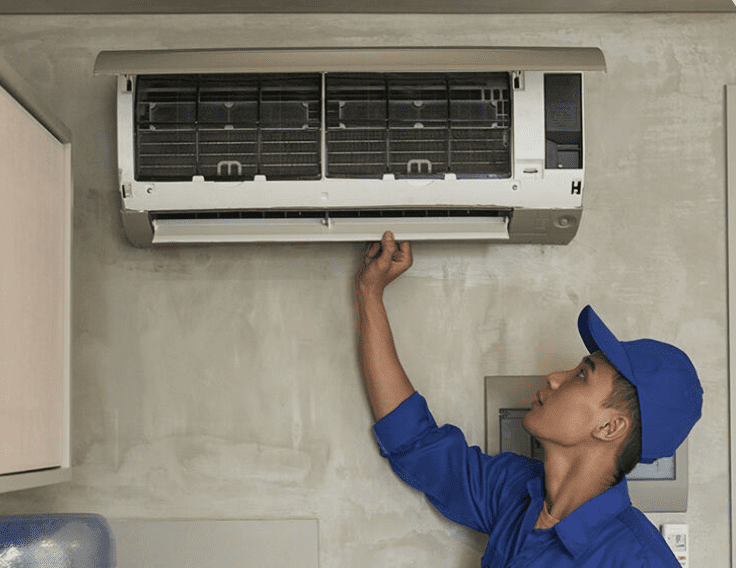
The Insulation Factor in The Hidden Problem That Makes Your AC Work Harder Than It Should
Even perfectly sealed ducts can waste energy without proper insulation.
When cold air travels through a hot attic, it warms quickly. If insulation lacks an adequate R-value, cooled air reheats before reaching interior vents. Bedrooms or corner rooms suffer most.
Experts recommend duct insulation rated at least R-6 in unconditioned spaces. However, many homes have outdated or compressed insulation. Moisture from condensation or roof leaks further reduces effectiveness.
Consequently, the AC must work harder to deliver the same cooling performance.
What Fixes The Hidden Problem That Makes Your AC Work Harder Than It Should?
Fortunately, most ductwork issues are fixable.
First, professionals can seal accessible leaks using mastic or specialised HVAC tape. This simple solution often delivers immediate energy savings.
Second, damaged or disconnected sections may require partial replacement. Although it sounds drastic, replacing problem areas costs far less than installing a new AC unit unnecessarily. Less air escapes, and less time is needed for cycling, and more effective cooling happens.
Third, upgrading or adding insulation around ducts in attics or basements significantly improves efficiency. Proper insulation reduces reheating of cooled air and lowers monthly bills.

The Bottom Line
Your AC system works as a network. Even the most efficient unit cannot compensate for failing ductwork.
Unfortunately, many homeowners focus only on outdoor units and thermostats. Meanwhile, hidden ducts quietly waste energy and strain equipment.
A professional ductwork evaluation can explain uneven cooling and rising utility costs. More importantly, it can restore efficiency without replacing a perfectly functional AC unit.







 @wordsmithkaur
 @wordsmithkaur