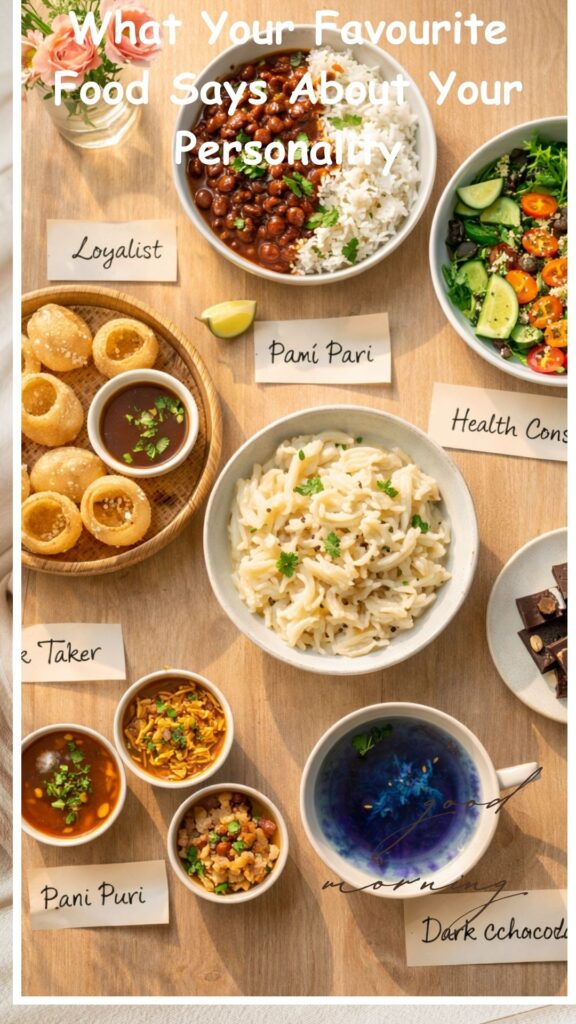
What Your Favourite Food Says About Your Personality
From Cream to Caution
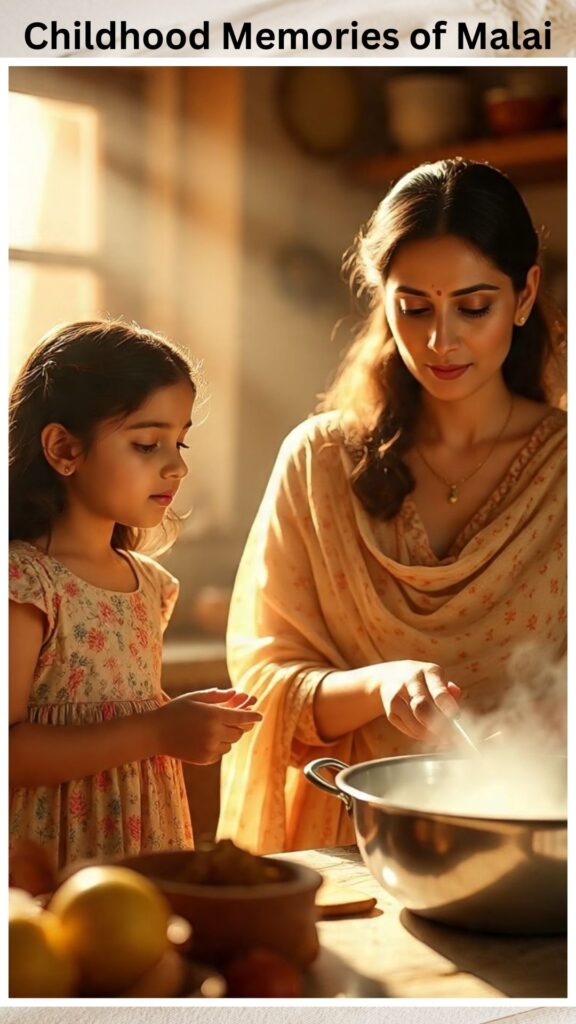
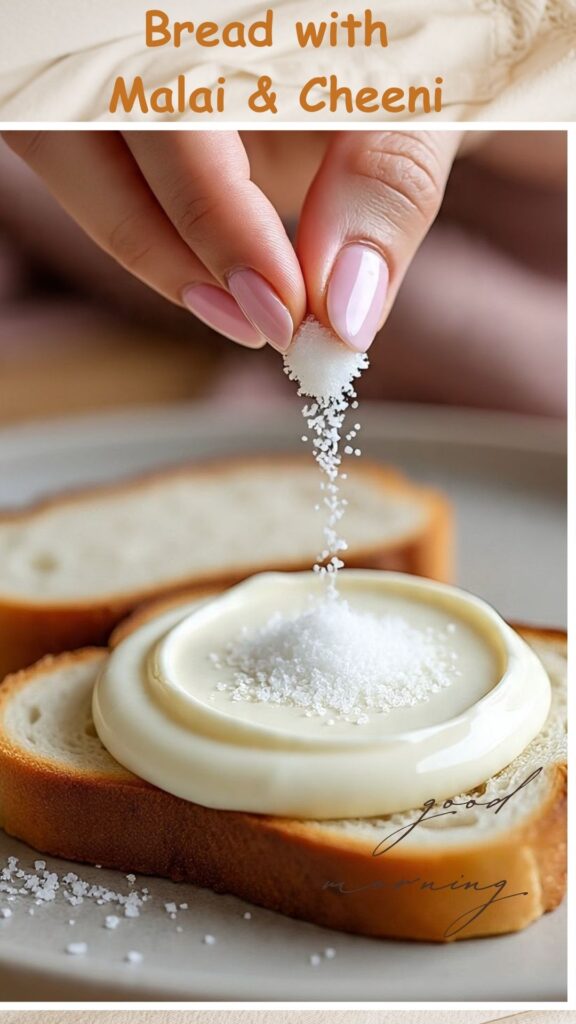
I explore what your favourite food says about your personality through my journey from cream-filled childhood memories to gut-friendly mindful eating and street food rituals at home. If childhood had a flavour for me, it would undoubtedly be cream or Malai. I waited eagerly for the layer of malai that formed on top of boiling milk. My mother made a delicate malai-based sabzi that tasted luxurious even on ordinary afternoons. She cooked a creamy chicken dish that I considered superior to restaurant versions. On some days, she spread fresh cream with sugar on soft bread, and that was enough to make life feel complete.
I did not stop at enjoying these dishes. I monitored the milk as it transferred from the kadai to be stored in the fridge, so that I could scrape the thick residue from the sides of the kadai. Believing firmly in not wasting abundance.
Naturally, when it rained heavily on my wedding day, my mother-in-law declared that the skies were responding to my cream-heavy upbringing. According to her, someone raised on that much malai from the scraping of kadais could only attract showers. We laughed.
Life, however, had a twist planned. When the Body Takes Charge
A few years later, lactose intolerance quietly entered the scene and erased milk, cream, and cheese from my menu. The very foods I once adored began to protest inside my system. Today, I can manage curd and buttermilk, but the rest remain distant memories.
Initially, I felt surprised. Then I felt restricted. Eventually, I felt wiser.
The body has a way of introducing discipline without negotiation. Over time, I learned to respect those limits rather than resent them.
Street Food, But Make It Responsible
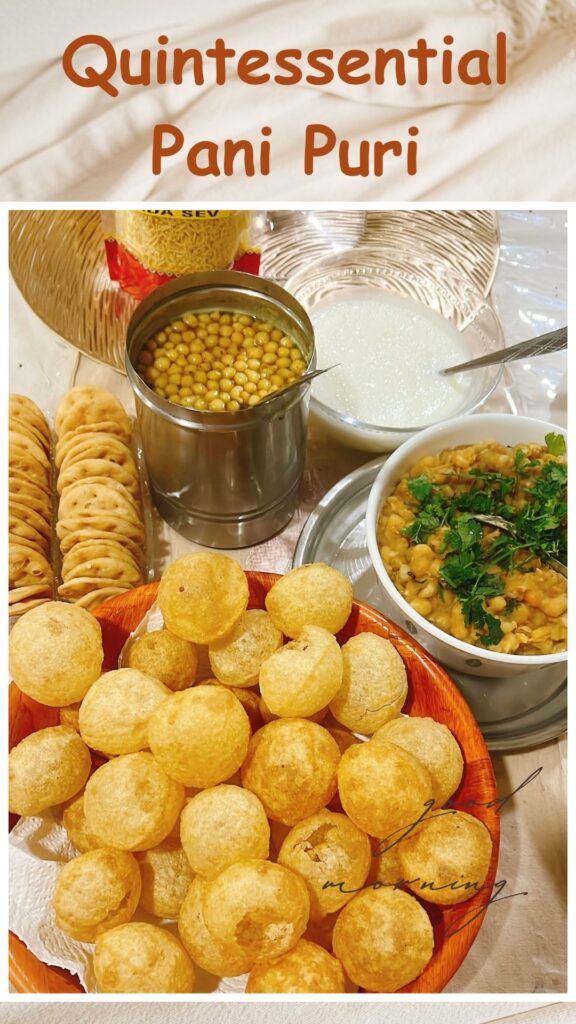

Interestingly, my love for pani puri never faded. However, experience taught me to modify the method.
Instead of eating it on the street, I now bring the puris home. I prepare my own spiced water and ragda, and I enjoy the ritual safely. This arrangement satisfies both my taste buds and my digestive system.
Bhel puri follows a similar rule. Moderation now accompanies enthusiasm.
As for noodles, especially those bold versions with burnt garlic or schezwan flavours, they still tempt me. Fortunately, my system tolerates them better than dairy, which feels like a small victory.
A New Relationship with Food
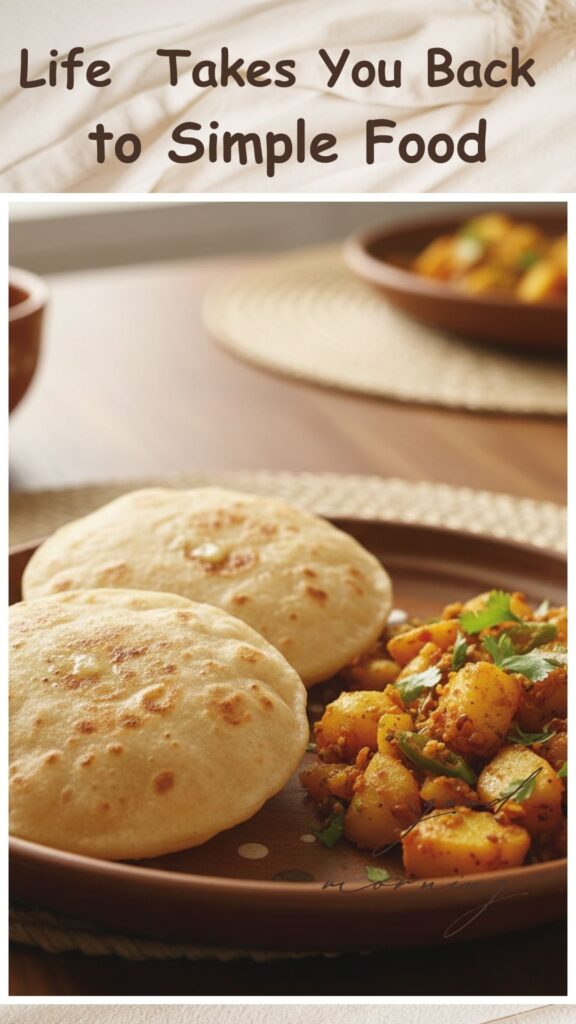
These days, my routine reflects balance more than indulgence.
I begin my mornings with tulsi and mulethi tea, which soothes my system gently. Breakfast consists of two slices of zero-maida bread, followed later by a glass of buttermilk. Lunch includes two phulkas made from khapli wheat and simple vegetables such as bottle gourd, ridged gourd, cauliflower, or bhartha. In the afternoon, I eat half a pomegranate or a kiwi, and I sip blue butterfly pea flower tea.
Dinner arrives early and mirrors lunch with two phulkas and a mild potato curry. At night, I allow myself a small piece of dark chocolate, because balance should include joy.
This routine is not accidental. I live with a history of IBS, and my gut occasionally reminds me of its presence. Therefore, I choose consistency over chaos and nourishment over impulse.

So What Does It Reveal?
When I look at my journey, I see more than changing preferences.
As a child, I gravitated toward richness and comfort. I embraced abundance and rarely questioned consequences. Later, health introduced awareness, and I adapted with maturity. However, my continued love for pani puri reveals that I still enjoy excitement; I approach it with a better strategy.
Perhaps that is what favourite foods truly reveal. They show how we respond to change. They reflect our ability to evolve without losing ourselves entirely.
I may no longer chase cream from a boiling pot, but I still assemble pani puri with enthusiasm in my own kitchen. The drama has reduced, yet the spirit remains intact.
And honestly, if loving flavour while respecting one’s gut is not growth, I do not know what is.







 @wordsmithkaur
 @wordsmithkaur