
When “Walk It Off” Isn’t Actually Good Advice

There’s something to be said for being tough. A scraped knee, a burn from the stove, or a cut from pruning the bushes often gets brushed off with a quick rinse and a bandage. Moments like these reveal when “Walk It Off” isn’t actually good advice, especially when minor injuries quietly worsen without proper care.
For many people, walking it off feels practical. Not every fall needs ice, and not every scrape needs ointment. Yet this mindset often leads to infections, slower healing, and avoidable medical intervention. Knowing when to move from neglect to appropriate care is rarely obvious—and most people realise it only after things go wrong.
The Injuries That Don’t Look Bad but Feel Bad
Small cuts often appear harmless. They stop bleeding quickly, don’t hurt much after the initial sting, and are easy to forget. Then, three days later, inflammation appears-swelling, warmth, or redness. What seemed insignificant now needs antibiotics.
Even the smallest dermal injury creates an entry point for bacteria. A quick rinse rarely cleans a wound properly. Covering dirty skin with a bandage traps bacteria inside. An actual wound treatment gel goes a long way in making sure that wounds heal without any complications.
Garden cuts are especially risky. Soil contains bacteria, and rose thorns or rough wood can push contaminants beneath the skin. Kitchen burns are also underestimated. Cold water may reduce immediate pain, but burns left uncovered or improperly wrapped are highly susceptible to infection and can take weeks to heal.
When the Pain Scale Is Misleading
Pain does not always indicate severity. Small cuts sting sharply, while deep puncture wounds may barely hurt at all. Burns often feel manageable at first, only to worsen hours later when blistering confirms more serious damage.
Puncture wounds are particularly dangerous. Injuries from nails, splinters, or sharp objects create narrow entry points that close quickly on the surface while trapping bacteria inside. Limited bleeding and minimal pain lead people to assume everything is fine—until it clearly isn’t.
Joint-area injuries are also often dismissed. Cuts over knuckles, knees, or elbows reopen easily due to constant movement. These wounds heal more slowly and need extra protection, yet location is rarely considered during treatment.
The Difference Between “Clean Enough” and Actually Clean
For many at-home injuries, tap water is the only cleaning method used. While it removes visible dirt, it does not reduce bacteria or prevent infection.
Proper wound care requires removing contaminants thoroughly so the skin can heal without fighting infection. This is especially important for outdoor injuries, rusty or dirty surfaces, and wounds with visible debris.
People also underestimate cleaning time. A quick rinse is rarely enough to properly clean anything more than a superficial scratch.
The Supplies Gap in Most Homes
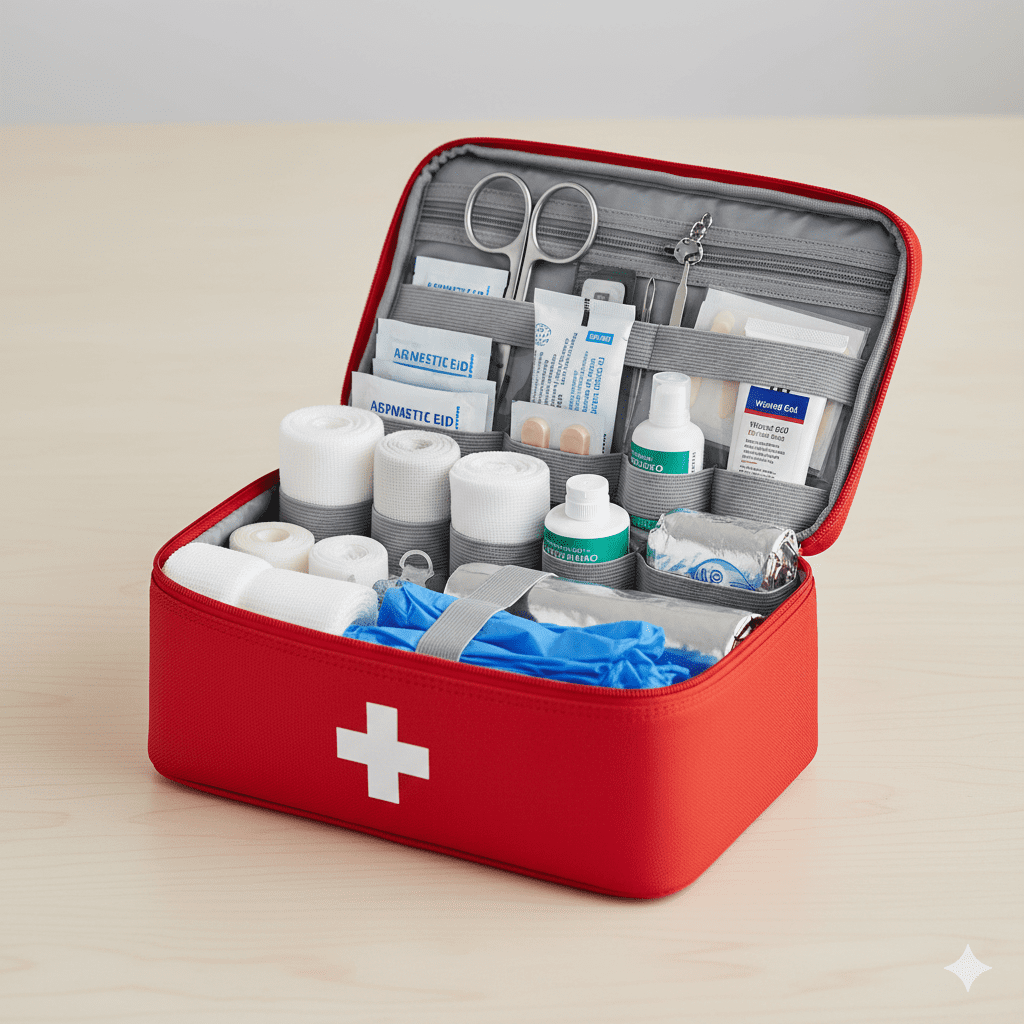
The average home first aid kit consists of Band-Aids in various sizes, old gauze and dried-out antiseptic wipes. Most home first-aid kits contain assorted bandages, old gauze, and dried-out antiseptic wipes. There’s a noticeable gap between what people have and what wounds actually require.
Bandages help keep dirt out afterwards, but they do nothing for bacteria already inside a wound. Antiseptics help, but most households are unprepared for anything beyond the smallest cuts.
Storing proper wound-care supplies allows injuries to be treated immediately, preventing complications later. Unfortunately, supplies often go unchecked until needed—by then, they’ve expired or dried up. Routine checks matter more than assumptions.
Signs a Wound Needs Better Care
Some signs indicate that “leave it alone” is no longer enough:
- Increasing redness around the wound
- Warmth or heat at the site
- Pain that persists for days
- Cloudy yellow, foul-smelling discharge
- Wounds that don’t improve after four days
Red streaks spreading from a wound signal a serious infection that requires medical attention. Fever, chills, or fatigue after an injury also suggest the body is fighting something it can’t manage alone.
Clear drainage can be normal. Anything thick, discoloured, or odorous is not.
Prevention Is Worth a Pound of Cure
The best way to avoid wound complications is proper care from the start. That means cleaning thoroughly, using products designed for wound care, and protecting the injury during healing.
In homes with children, pets, gardeners, or active lifestyles, injuries are realistic—not rare. Spending an extra five minutes on proper care early can save days or weeks of discomfort later.
Most minor injuries stay minor when treated correctly. They become serious when ignored or poorly handled. The difference between neglect and proper care isn’t large—it’s simply having the right supplies and knowing when to use them.
The “walk it off” mindset works for bumps, bruises, and clean scrapes. But when skin is broken, contaminated, or deeply penetrated, taking time to ensure proper care supports natural healing and prevents escalation. That isn’t being overly cautious—it’s respecting how the body heals when given the right conditions.





 @wordsmithkaur
 @wordsmithkaur