
Why Dogs, Cats, and Other Pets Need Different Vet Visit Schedules
Not all animals visit the vet at the same frequency. A dog’s health is different from a cat’s and even more distinct from a rabbit’s—or a reptile’s. This happens for a reason. Each animal ages differently and has its own health concerns and preventative needs. This is the reason Why Dogs, Cats, and Other Pets Need Different Vet Visit Schedules.
Dogs Have the Most Routine Schedule
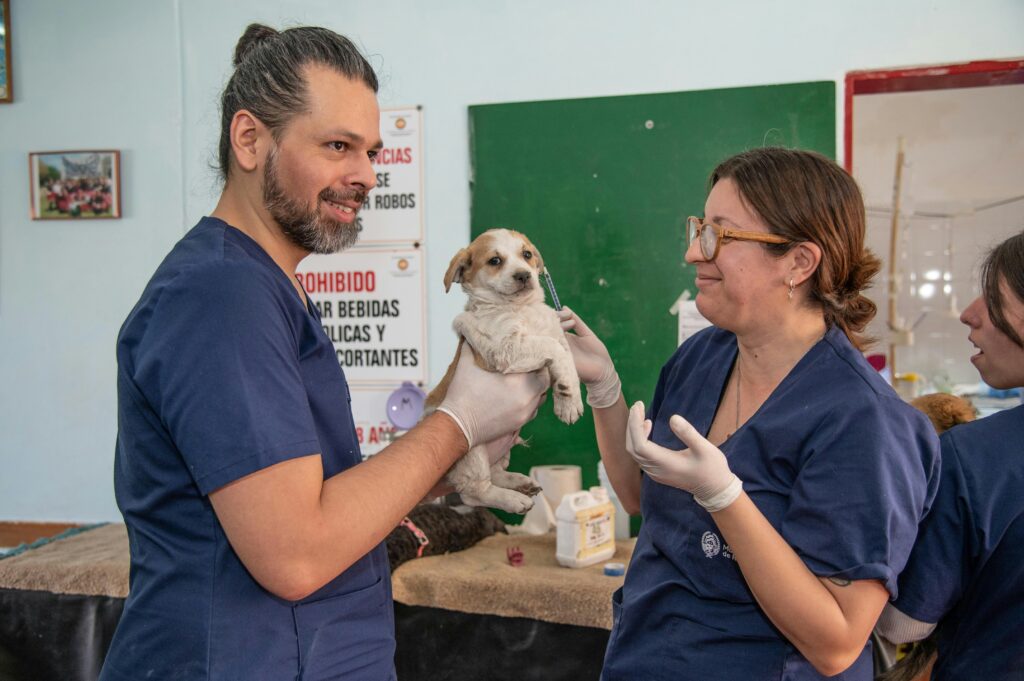
In general, dogs follow the most routine schedule. Most pups go to the vet once a year. Around age five, the vet suggests going twice yearly. This is largely due to vaccinations. Rabies and distemper are core vaccines that require annual boosters and a physical exam.
This becomes even more important for large breeds as they age faster. A Great Dane is a senior at age seven, while a Chihuahua is still middle-aged. Many large-breed dogs develop hip dysplasia and heart disease, so they need regular monitoring.
Senior dogs also benefit from bloodwork during these visits. Blood tests help assess renal failure, liver degeneration and diabetes before symptoms emerge. Dogs hide pain very well, so this helps vets diagnose arthritis and chronic disease early.
Cats Hide Illnesses
Cats also benefit from annual vaccinations, boosters and physical assessments. After age seven, they should visit twice yearly. Cats are masters at hiding illness.
In the wild, a visibly weak cat becomes prey. Domesticated cats keep this instinct. They hide renal disease, diabetes or hyperthyroidism until it becomes too late. A cat could be having life-threatening complications but still eat, play and act normally.
Senior cats benefit from annual bloodwork. Kidney disease is common in geriatric cats and progresses quickly. Hyperthyroidism also appears in older cats and leads to aggression once symptoms show.
Most cats dislike the vet. However, this should not prevent an owner from pursuing yearly assessments. A vet at the best small vet clinic Perth suggests cat-friendly options for stressed felines.
Rabbits Need Dental Assessments
Rabbits should see a rabbit vet annually between 6–12 months. Some rabbits go quarterly based on dental growth. Not all vets understand rabbit needs well, so it helps to find one who does.
Rabbits have significant dental concerns. Their teeth grow continuously. If they don’t wear down properly, they develop painful spurs and overgrowth. Some rabbits need dental assessments every few months because of crooked teeth or abnormal recessions.
Rabbits are prey animals. They hide illness better than any other animal and do not want to show weakness. They can suffer from respiratory infections, GI stasis or weight problems without visible indicators. These issues may go undetected for long periods.
They usually don’t require vaccinations, depending on the location. Their wellness visit focuses on dental growth and general observation.
Guinea Pigs Share Similar Concerns
Guinea pigs should see the vet once a year. A visit every 6–8 months works even better if they are stable. They also hide illness well and have specific health concerns.
Their teeth grow continuously. Scurvy is common since guinea pigs cannot synthesise vitamin C. Routine visits help monitor their diet.
Guinea pigs can also get upper respiratory infections. These infections become serious quickly. They do not receive vaccinations, so they rely on assessments.
Birds Require Specialised Vet Care
Birds should go to an avian vet annually. Finding a specialised avian vet is important, as avian health differs greatly from mammalian health.
Birds get weighed. Feathers are assessed for scratching, irritation or plucking. The vet checks beaks and nails for trimming. At times, the vet orders bloodwork to assess organ function. Many birds have poor diets, so assessments help correct this.
Birds hide illness extremely well. When a bird fluffs its feathers or sits at the bottom of its cage, it is already critically ill. Annual visits help identify problems before that point.
Birds do not need vaccinations. Their assessment is based on physical and behavioural indicators.
Reptiles Are an Anomaly
Reptiles do not need annual visits if they are healthy. They do not need vaccinations or bloodwork. You only see obvious health concerns if something’s wrong.
New reptiles should visit a reptile-friendly vet when acquired. The vet checks the set-up—temperature, humidity and UVB lighting—to prevent common problems.
Healthy reptiles may not need assessments for years unless symptoms arise. These may include refusal of food for days or weeks, respiratory symptoms, lethargy or shedding problems. Any visible injuries also require attention.
Some owners prefer wellness checks annually or every few years. It is not medically necessary like it is for dogs and cats. Proper care—temperature, humidity, diet and lighting—plays the biggest role in reptile health.
Young Animals Require More Visits
Young animals follow different schedules because of the vaccine series. Puppies and kittens need multiple visits during their first year: at 6–8 weeks, 12 weeks, 16 weeks and 1 year.
These visits boost immune system function and allow growth assessments. Young rabbits and guinea pigs do well with an initial assessment but don’t need as many visits as puppies and kittens.
Young reptiles should be assessed upon acquisition. After that, they follow adult guidelines and visit only when needed.
Senior Animals Require More Visits
As animals age, their schedule increases. Age varies by species. Dogs need biannual assessments and bloodwork starting at age seven. This helps detect kidney disease or cancer early.
Cats need similar assessments at this age. They commonly face kidney disease and hyperthyroid issues. Older rabbits and guinea pigs also need closer attention if lumps form or organs weaken. Senior birds may require monitoring starting at age 10+, depending on species.
Reptiles do not need routine senior assessments unless specific issues occur.
What Drives These Schedules
These schedules exist mainly due to vaccinations. Dogs require annual boosters, which also create an opportunity for a health check.
Animals that hide illness—rabbits, guinea pigs, birds and cats—need routine evaluations. They often show no symptoms until the problem becomes severe.
Reptiles do not hide illness and do not require vaccinations. Their health concerns arise from improper care rather than incidental disease.
Most reptile wellness depends on proper care, not routine illness.
Ultimately, each schedule aligns with health needs. Understanding those needs helps prevent unnecessary visits or ignoring hidden problems.






 @wordsmithkaur
 @wordsmithkaur



I really appreciated how clearly you broke this down. I am not a pet parent, but it’s understandable it’s easy to assume all animals follow the same routine, but you explained the differences so simply and thoughtfully. It feels practical, responsible, and genuinely caring toward every kind of little life.