
The Connection Between Garage Door Security and Overall Home Safety
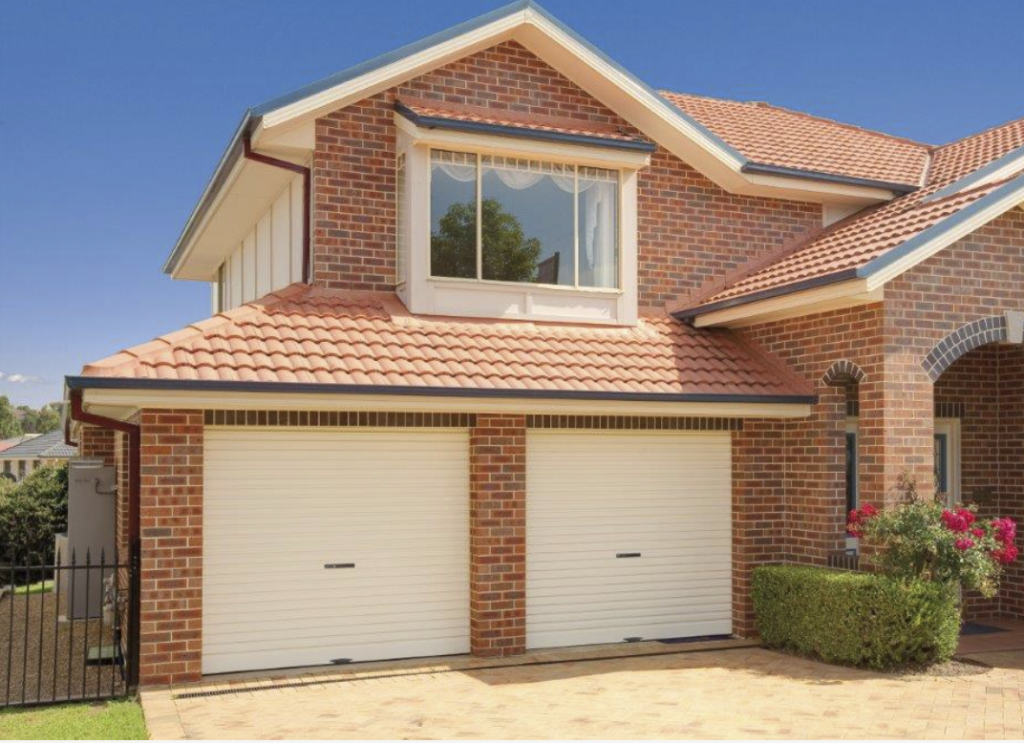
The majority of homeowners invest a significant amount of money to secure their front door—deadbolts, smart locks, reinforced frames. However, they overlook the garage, making garage door security a critical but often ignored aspect of home protection. It is a door two to three times the size of the front door, and typically, it runs on an outdated fifteen-year-old opener with a fixed code. This oversight is what experienced burglars capitalize on.
The Garage Is Your Biggest Door and Your Biggest Risk
The garage door is the largest moving entry point in most homes. Treating it as anything less than a structural security barrier is a mistake that can have serious consequences.
Materials, Installation, and What “Quality” Actually Means Here
The safety value of a garage door largely depends on its construction and installation. Thin sheet steel will stretch and distort before entry is gained. Polycarbonate or reinforced steel panels will resist impact and prove much harder to breach quickly.
But the tracks also need to be considered, as do the frame and the strength of the connecting hardware. A well-constructed panel can be of little value when it is attached to a weak frame or track system.
Reinforced door systems are designed and installed by AllStyle Garage Doors & Window Shutters where the panels, frame, and locking mechanisms are considered as an overall security system rather than individual components.Window shutters fitted to adjacent openings form part of this approach, as they remove the glass weakness that sits next to the garage opening.
An automatic deadbolt that engages when the door is closed removes the problem of the door appearing closed but not actually latched. Worn mechanical systems make this a much more common occurrence than many might imagine.
Why the Garage Is a Preferred Target
FBI Uniform Crime Reporting data indicates that about 9% of burglaries involve garage entry, but that only includes cases where the entry point was recorded. The real number is likely higher, because a garage breach that leads to an interior door entry often gets classified differently.
The specific risk with an attached garage is the hidden workspace it creates. Once someone is inside the garage, they are shielded from the street. They can work on the interior door connecting to the living area without anyone seeing them. That interior door is often a standard hollow-core door with basic hardware. Given five or ten uninterrupted minutes, it is not much of an obstacle.
That is why a garage breach is categorically different from someone trying to kick in a visible front door.
The Mechanical Vulnerabilities Most People Don’t Know About
Two points are particularly vulnerable to exploits—one physical and the other digital.
The first point of weakness is the emergency cord release, which can be found in all garage door openers. It is a red handle that enables you to open the door manually in case of a power outage. The issue with this cord is that it can be activated from outside through a small gap at the top of the door using nothing more than a wire or a slim tool.
This activity is sometimes referred to as “fishing” and, if the door has any type of flexibility in the top panel, it can take less than a minute to complete. A simple shield placed over the release mechanism, or a door with tighter top-gap tolerance, will eliminate this vulnerability completely.
The second point of weakness is the remote signal. Older openers used the same radio frequency each time, known as a fixed code. For many years now, devices have been available that can capture and replay these signals, and they are not expensive.
This issue is remedied by rolling code technology, which creates a new encrypted signal every time the remote control is used. If your opener dates back to the early 2000s, it is quite possible that you do not have this protection.
Smart Integration and the Open-Door Problem
A frequently overlooked aspect is that garages pose safety concerns not only from thieves but also because people tend to leave the doors open. If a garage is open all night, it becomes an open invitation.
You can have a Wi-Fi-enabled opener that connects to an app on your phone. It can alert you if the door has been left open for more than 10 minutes, and you can check and close it remotely. This is no longer a premium option. It is available for most doors as a retrofit. If you have an attached garage, it should be considered essential rather than optional.
Maintenance as a Security Practice
Worn torsion springs, loose roller brackets, and degraded cables do not just cause inconvenience. They can leave a door that will not fully close, opens unevenly, or fails mid-cycle. Any of these conditions creates exposure.
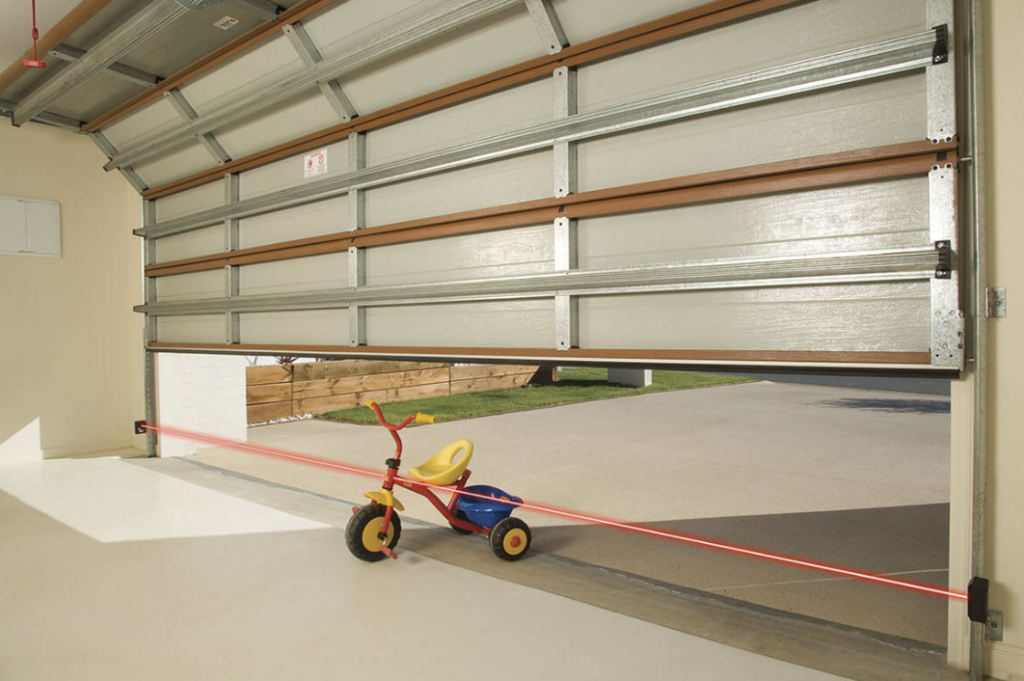
A door that is mechanically sound behaves predictably. Checking the hardware twice a year, tightening bolts, lubricating moving parts, and testing the auto-reverse function on the photo-eye sensors keeps the system working as designed.
The garage door does not need to be treated as a specialty security project. It simply needs to be taken as seriously as any other major entry point on the property. In simple terms, garage door security deserves the same attention as your front door.





 @wordsmithkaur
 @wordsmithkaur