
Pickle Jars and Indian Achaar

This post is part of Blogchatter’s A2Z Challenge 2026: Pickle Jars and Indian Achaar, a reflection on memory, tradition, and the quiet lessons stored in jars.
Not everyone has a green thumb for plants, and not everyone has a pickle thumb. My mother had one, and while I did not inherit it, I inherited everything else-the memories, the cravings, and a lifelong inability to settle for anything soulless. Somewhere along the way, these pickle jars and Indian achaar memories became more than food—they became stories I still carry.
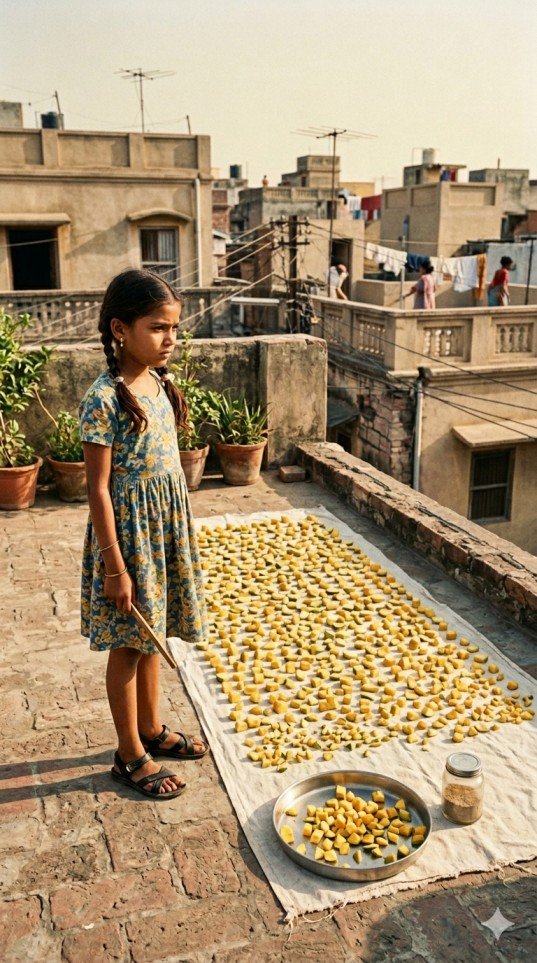
The Rooftop Summer
Every summer, before mangoes turned soft and sweet and ripe for eating, my mother had other plans for them.
Raw, hard, sharply sour – those were the mangoes she wanted. The roof of our house would be commandeered without negotiation. Mango pieces were spread in careful rows. The sun doing its slow, essential work.
And me. Approximately ten years old. Appointed sole guardian of the operation.
I understood this with complete seriousness. This was not babysitting duty dressed up as importance. This was a sacred task, and I was its protector.
I stood my post with great dedication – watching, not touching, not disturbing. The mango pieces and I had a solemn arrangement.
Nobody told me it was also an excellent way to keep a child occupied on a punishing summer afternoon.
I only figured that out several decades later.
The Rules of the Barni
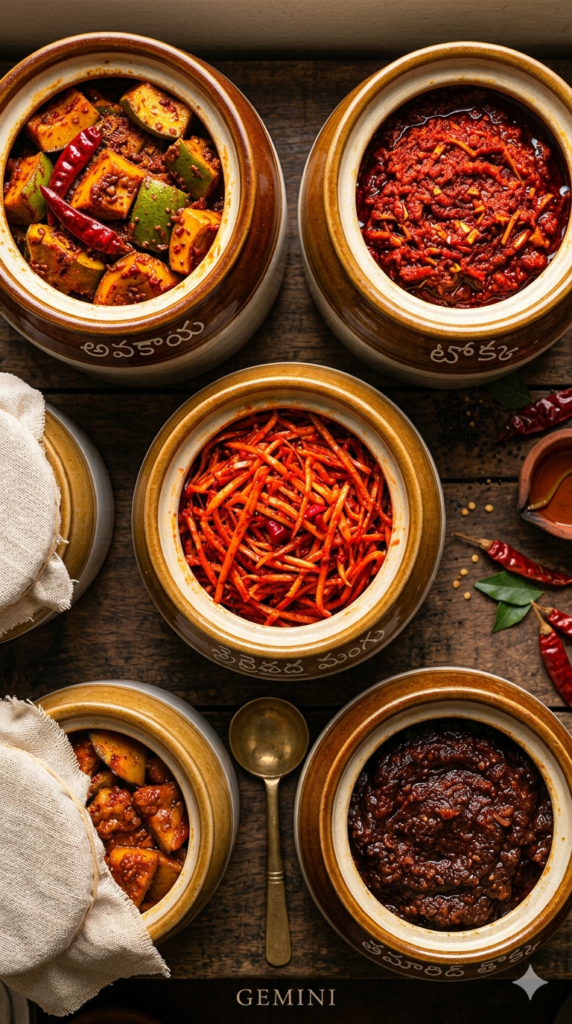
Once the pickling began in earnest, the rules multiplied.
Dry hands only. No water anywhere near the barni. Mustard oil was measured with the precision of someone handling something precious.
The mango pieces were packed with spices, sealed with care, the mouth of the jar was tied with thin muslin, and set aside in a cool, dark corner to cure.
Weeks of patient waiting followed, broken only by occasional ceremonial checks and the unmistakable, pungent aroma that greeted you even before the cupboard opened.
Myth or Truth?
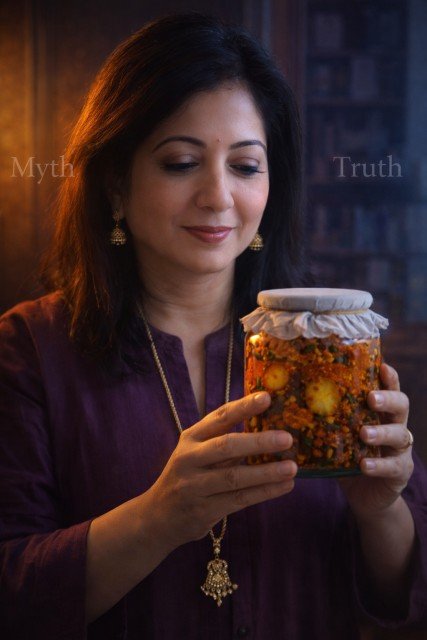
And then came that rule.
If you have your period, you do not touch the pickle jar.
I obeyed without question. It felt ancient, non-negotiable, and far bigger than me.
It turns out this is a complete myth.
Science has confirmed that menstruation does not affect pickle. The jar neither knows nor cares. Bacteria and moisture spoil pickle; women on their period do not.
But here is a more interesting possibility.
For generations, Indian women may have quietly used this as a perfectly acceptable excuse to step away from the kitchen, avoid the labour, and let someone else take charge for a few days.
Perhaps our grandmothers were not superstitious. Perhaps they were simply tired-and far more strategic than we realised.
I choose to believe the latter. It makes the story far more satisfying.
Two Pickles, Two Worlds
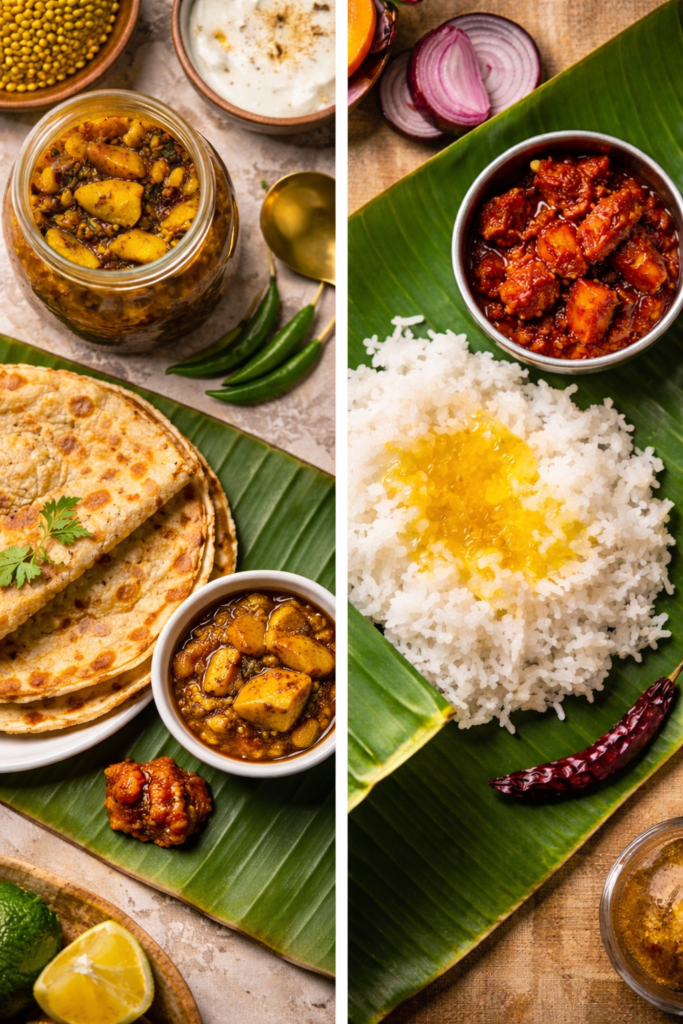
My mother made Punjabi achaar – mustard oil-rich, deeply flavoured. The kind that belonged beside a mooli paratha on a winter morning and turned a simple meal into an occasion.
Avakaya came from neighbours and friends-Andhra in every way, fiercer, redder, and unapologetically bold.
The correct way to eat avakaya has never changed. Steaming hot rice, a generous drizzle of ghee, and pickle mixed in by hand, not a spoon.
The warmth of the rice, the richness of the ghee, and fingers doing the work create a kind of honesty no cutlery has ever managed.
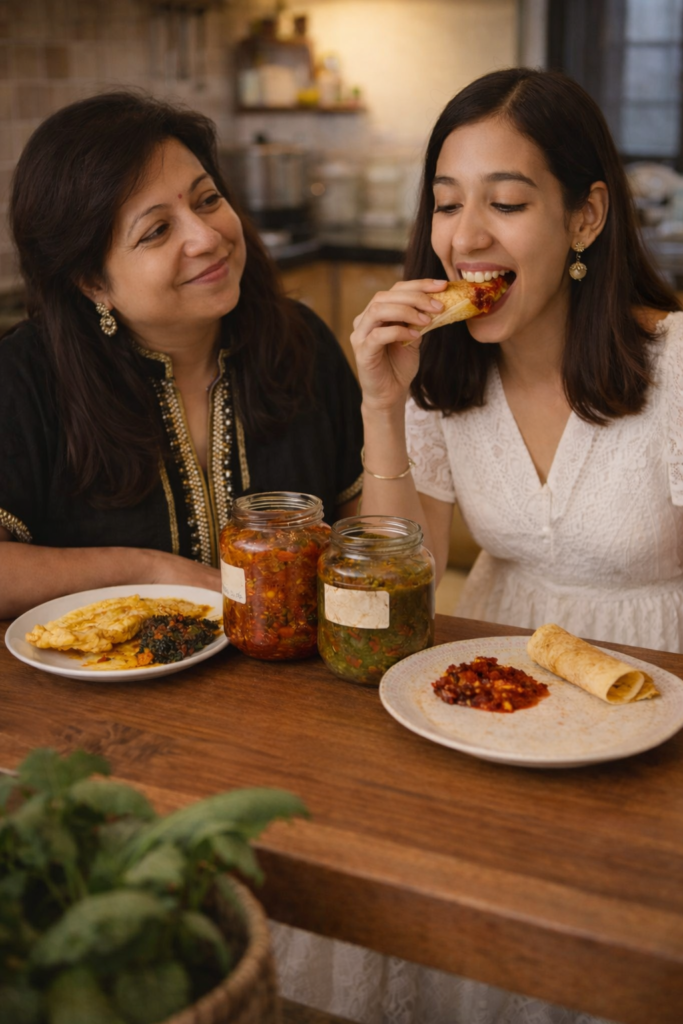
My daughter, of course, has taken things further. She eats gongura pachadi with dosas, omelettes, and whatever she pleases-entirely without apology.
I find this both admirable and slightly alarming, which is exactly how the next generation is meant to make you feel.
Devotion in a Jar
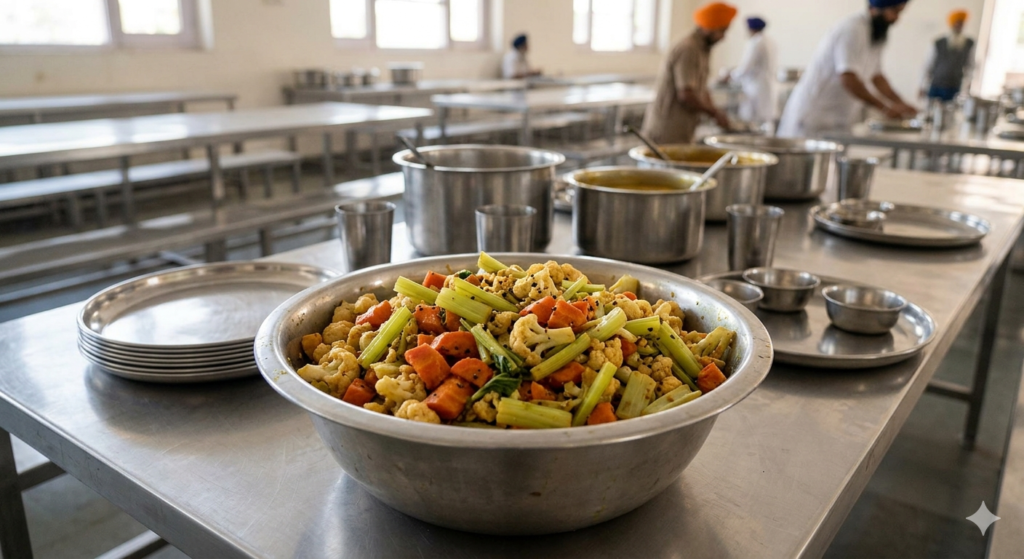
My mother’s gobi gajar achaar for Gurpurabs belonged to a different category.
This was not preserved pickle, but something made fresh, using the first good cauliflowers of winter—firm, white, and fleeting.
Bright with carrot and alive with spice, it was ready the same day for the Gurudwara langar.
People came for it. They expected it without needing it to be announced.
It appeared each year with quiet consistency, an act of devotion as much as cooking.
That kind of achaar was never meant to last. It existed for that moment, that gathering, that shared meal—and then it lived on as memory.
What the Jars Became
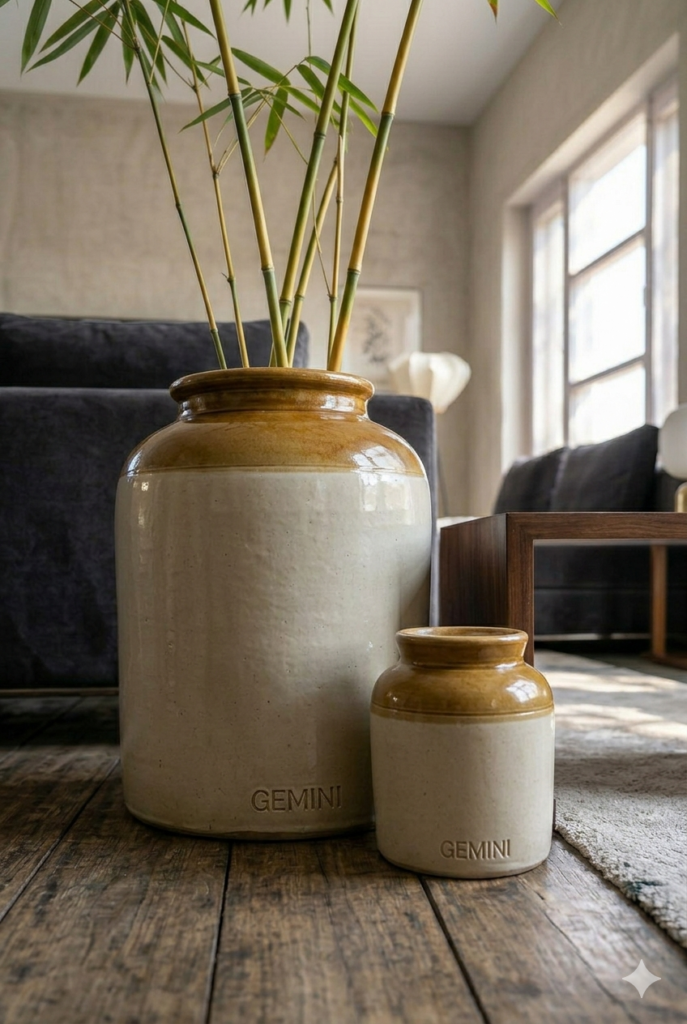
The large ceramic barnis, that once held months of curing pickle, have not disappeared.
Walk into homes today, and you will find them holding something else-a succulent on a windowsill, a trailing money plant, dried flowers, or small collections of objects that are more sentimental than practical.
The jars that once preserved summer have become décor, planters, and quiet markers of domestic pride.
We kept the jars. But we changed what we chose to store in them.
There is something gently sad and poetic about that.
What Still Travels With Me
I still get my pickles from my home town.
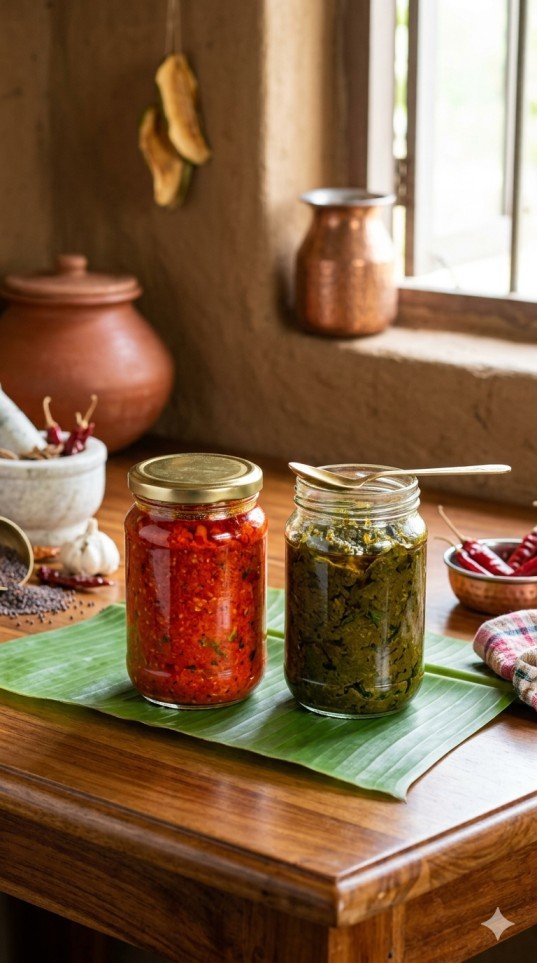
A fresh batch just arrived-tomato and gongura pachadi from a friend’s store, the kind no supermarket shelf can replicate.
Home follows me in jars, which is perhaps one of the loveliest ways it chooses to stay close.
But no jar carries the exact flavour of a rooftop summer, a ten-year-old standing guard, or a barni wrapped in muslin and set aside with care.
Pickling needs more than ingredients. It needs patience, instinct, and a kind of love that is never written down.
I did not inherit that skill. But I know exactly what I am missing-and exactly where to turn when the craving becomes impossible to ignore.
Some things are worth travelling for, even when they now travel to you.
This post is part of Blogchatter’s A2Z Challenge.
The Theme of my A2Z series is The Second Half
Find all my A2Z Blogs Below
- Aging Well Versus Looking Young
- Being Needed Less: The adjustment no one talks about
- Clutter of The Heart
- Doing Less Without Feeling Guilty
- Evolving Friendships in the Second Half
- Feeding Your Own Soul
- Growing Old as a Woman in India
- Humour That Saved Me
- Women’s Intuition: My 7th Sense
- Judgement: What I stopped carrying
- Kitchen Hacks: 25 Tried & Tested
- Lifelong Learning: From Letters to AI Prompts
- Matka Magic
- Neighbours and the quiet joy
- Old Photo Albums Versus Digital Photos




 @wordsmithkaur
 @wordsmithkaur



Your post made me nostalgic. I have always felt a bit sad about the fact that the art of pickling eludes me. I have grown up seeing my mother make pickles, jam, and potato chips at home, but somehow this isn’t my cup of tea. I fail at it. It is so good to know that you somehow manage to get those jars from friends. They may not taste the same, but they carry precious memories!
yes..these are fond memories. Our kids are not going to have them, sadly.
Summer and pickles in Indian homes are almost synonymous and intertwined in such a way that they feel like one, creating memories we cherish forever.