
How to Budget for Unplanned Automotive Expenses and Avoid Financial Surprises
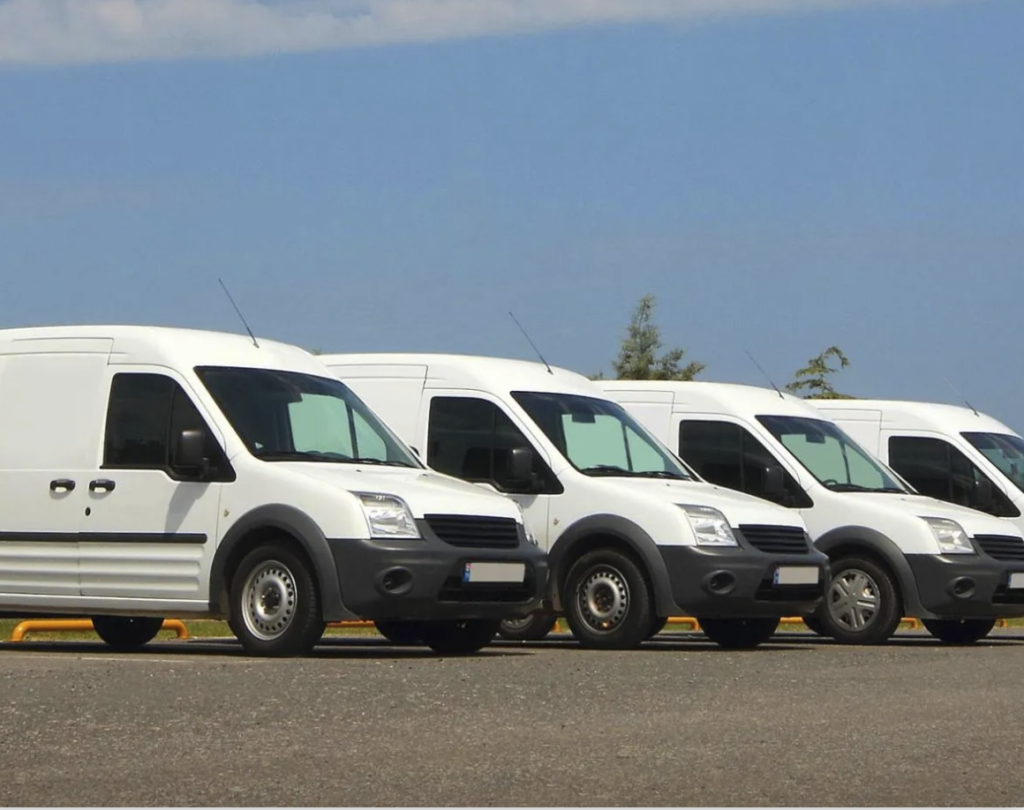
Many people who own cars plan to pay off the loan and then call it a day. Learning how to budget for unplanned automotive expenses can help you avoid costly surprises and keep your finances on track. They enter the loan repayment in their budget sheet, then add the insurance premium, and assume that everything else will be taken care of by someone else-until they see the check engine light and realize they suddenly need $1,800. But it doesn’t.
The Payment-Only Trap
When you take out a car loan or lease, you usually base the loan/lease amount on your monthly budget, not the total cost of the vehicle. Everything else – fuel, registration, maintenance, the slow death of the brake pads – gets filed under “we’ll deal with it when it happens.”
This is the budgeting equivalent of only reading the first half of a contract.
A vehicle is a depreciating mechanical asset. It has components with finite lifespans. Those components don’t ask permission before they fail, and they don’t schedule their failures around your bank balance. The psychological problem is that we treat automotive costs as unpredictable bad luck rather than what they actually are: predictable operating expenses that arrive on a rough but calculable schedule.
Shifting that mental model changes everything about how you prepare.
Understanding the Total Cost of Ownership
When most people think about the cost of owning a vehicle, they focus on the monthly loan payment. In reality, that payment is often only one part of the equation. In some cases, the combined cost of fuel and maintenance can even exceed what you pay toward your loan each month.
This is where the concept of Total Cost of Ownership (TCO) becomes important. TCO includes every major expense associated with owning and operating a vehicle, including insurance, fuel, repairs, and maintenance.
According to the AAA, the average maintenance and repair cost for a newer vehicle is approximately 9.28 cents per mile, or around $1,400 per year for someone who drives 15,000 miles annually. That figure is only an average. Your own costs may be lower if your vehicle is still in a low-maintenance stage, or considerably higher if age and wear have begun affecting major components.
The Case for a Dedicated Car Sinking Fund
A dedicated emergency fund is meant to cover real-life emergencies: job loss, medical expenses, a broken appliance. Brake pads or a new battery don’t qualify. Those are maintenance items you know you’ll need, you just don’t know exactly when.
For that, the right financial tool is a car sinking fund: a separate savings account set up exclusively for the costs of owning and maintaining your vehicle. When you take money out of that account to pay for a repair, there’s no psychological turmoil about “stealing” from long-term savings to cover short-term needs. You’re spending money you already knew you’d need to spend on the car eventually.
You can easily set up a sub-savings account for your car and fund it with monthly automatic deposits. A flat dollar amount works for most people. If you anticipate spending $1,400 over the next year on maintenance, repairs, insurance, and registration, then you should automatically transfer $120 a month into the account. Some people prefer to determine their rate based on mileage: setting aside 5 to 10 cents per mile you drive, adjusted up or down depending on your vehicle’s age and mileage.
You won’t need to seed the account with more than 3-4 months of contributions to start seeing some benefits. That level will help you get through the small to mid-sized repairs without worrying where the money will come from.
The Tiered Savings Threshold
Not all repairs are equal, and you should save the amount that best meets the anticipated repairs your car will need based on its age.
Tier one: $500. These are annoyances rather than immediate danger – a weak battery, a bad sensor, a cracked serpentine belt. These are the most common repairs you will encounter in a five-plus year-old vehicle. A $500 buffer should cover them, and you won’t even notice it’s missing.
Tier two: $1,500. These are “time to open the wallet” repairs. Brakes and/or rotor work, suspension or steering component replacement, cooling system or serious exhaust repair – on a vehicle with over 80,000 miles or kilometers, these are the kinds of things that need attention annually. And the odds-on favorite to happen every three years rather than every ten.
Tier three: $2,500 and up. Transmission repair or replacement, extensive engine work, some manner of fuel-injection and/or ignition system failure, or the hunt of the year in electrical gremlins. You won’t need this sort of thing every year… but it will turn up more than once a decade, and on a poorly maintained vehicle, it can show up sooner than that.
Your savings target should reflect the kind of vehicle you drive. A three-year-old Corolla with 86,000 kilometers on it needs a tier one buffer. A ten-year-old minivan with 120,000 kilometers on it needs you to have prepared for tier three.
Preventative Maintenance as a Cost-Control Strategy
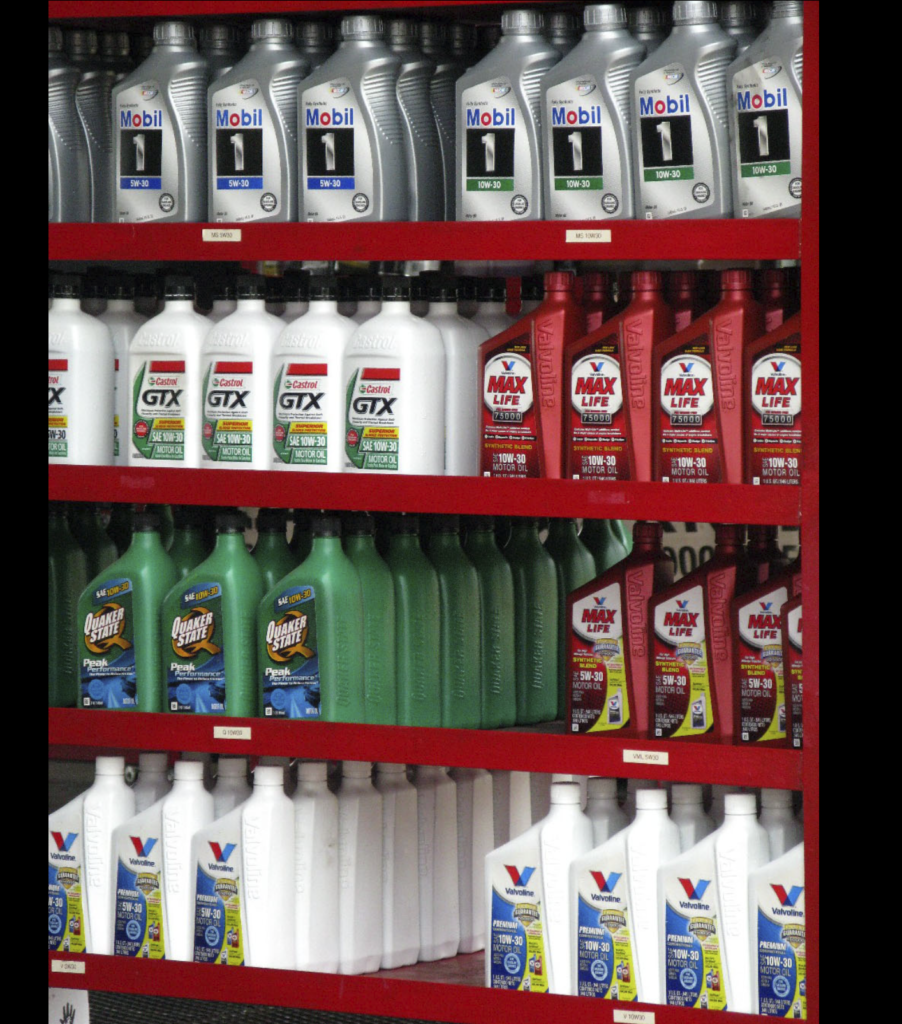
Spending money to save money sounds like a cliché. With vehicles, it’s just math.
A logbook service – oil change, fluid top-ups, filter replacements, basic inspection – costs somewhere between $100 and $200 depending on the vehicle. Skipping it doesn’t save you $150. It accumulates hidden damage over time: sludge in the engine, worn belts that snap rather than squeak, coolant that loses its inhibitor properties and starts corroding from the inside.
Many $2,000 engine repairs can be traced back to a missed $120 service. preventable $120 service sitting somewhere in its history.
Follow the manufacturer’s preventative maintenance schedule. Stick to the service intervals. Pay attention to the items flagged at each service – the mechanic noting that the brake pads are at 20% isn’t trying to upsell you. That’s a three-to-six month warning that buys you time to fund the replacement without panic.
Think of routine servicing as buying yourself options. When you know what’s coming, you can plan for it. When you’ve ignored service intervals for two years, every warning light becomes a financial emergency.
Reading an Estimate and Navigating the Repair Process
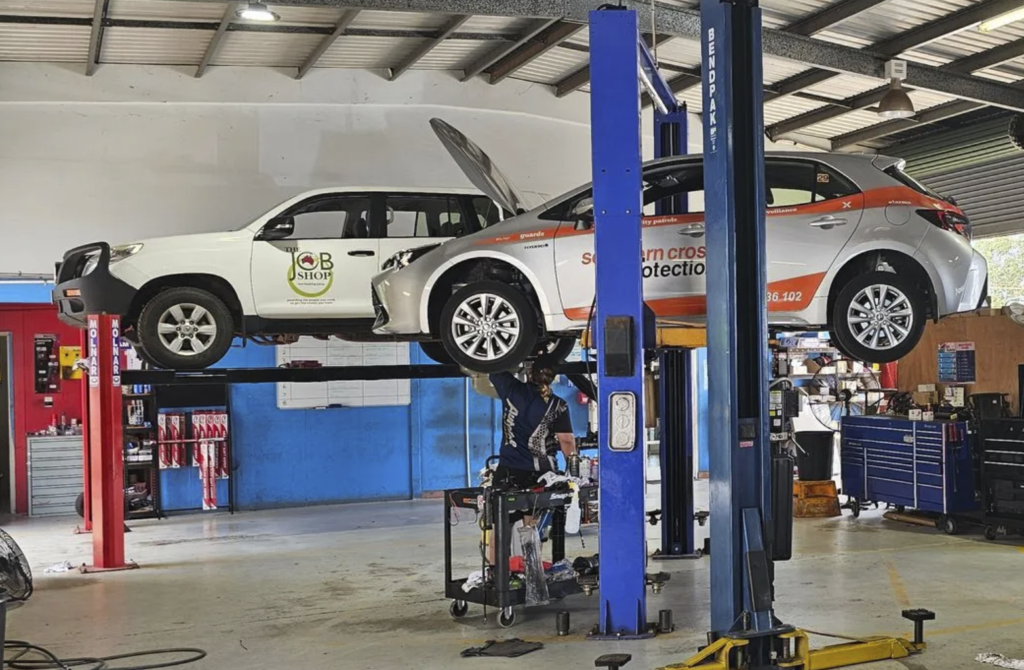
When things do go wrong, the biggest money leak in most people’s car budget is walking into that workshop without the knowledge to evaluate what’s come their way.
First: understand the diagnostics fee. It costs a mechanic time and the use of an OBD-II scanner to determine error codes and faults, and while the industry is pushing this as a ‘service you have to pay for’, ask for it to be clearly quoted before they lift the hood. It’s one thing to pay a diagnostics fee, it’s quite another for that cost to be used as a stealth-loaded up-front profit.
Second: when you are presented with a written estimate, ask one very specific question: ‘Which of these things you’ve just itemized are safety-critical, and which are deferrable?’ A good mechanic will separate the two columns clearly. Worn brake pads are safety-critical. A slightly noisy heat shield is deferrable and quite often by quite a few years. This lets you prioritize what gets done now versus what gets rebooked for next month when your sinking fund has rebuilt.
Facing unexpected warning lights or a sudden mechanical failure, the greatest defense against a minor issue becoming a budget-breaking repair chain is a workshop that handles car repairs with open, written estimates. A workshop that separates labor charges from parts costs doesn’t have anything to hide. And when it comes to OEM parts versus aftermarket parts, knowing the difference matters for your bottom line.
For straightforward and common issues, most professionals will give you a similar number. If they don’t, getting a second opinion from a different workshop is a reasonable step, not an insult to the first mechanic.
When you’re contrasting estimates, make sure to approach each shop and clarify whether they’re estimating using OEM parts or offering aftermarket substitutions. For most repairs, high-quality aftermarket parts work just as well at a significantly lower price. For a few others, such as electronic components or safety-critical systems, the OEM part is the only way to go, and you’ll pay the price. Clarity on the difference helps you make that call.
When the Sinking Fund Isn’t Enough Yet
An ideal financial planning scenario involves having six months to establish a savings buffer before any catastrophic failure. But we all know life rarely lines up perfectly.
When a major breakdown strikes before your sinking fund has fully accrued, the best path forward is not always to borrow at high interest if you can help it.
Zero-interest promotional credit cards can be an option, but only if you’re the kind of person who pays the balance in full before the promotional window ends. To figure out if you can swing it, simply divide the repair cost by the number of interest-free months. If you can meet or beat that number, the card is a short-term, interest-free loan. If you can’t, you’re going to get crushed under the deferred interest that backs charges.
Some mechanics will offer buy-now-pay-later options directly. Rates and terms of these arrangements vary immensely, so read the contract before signing. Some really are no interest if paid in a short term. Some bury the rate in a way that it’s not completely apparent.
A personal loan from a bank or credit union at a fixed rate is better than revolving high-interest credit card debt for a larger repair. The rate will probably be higher than that zero per cent card over time but lower than a credit card carried month to month. Most importantly, it’s going to come with a date the debt will be 100% paid in full if you continue to make payments. That’s important.
The best alternative financing strategy is to not need it. That comes from consistent monthly contributions to a sinking fund before anything goes wrong.
What This Looks Like in Practice
It’s a simple concept. First, determine your annual mileage. Be as accurate as you can. Next, determine what it actually costs to operate your car on a per-mile basis. Not the number the IRS gives you. You need to know what it really costs. Including fuel, maintenance, tyres, insurance, and anything else that you spend on your vehicle in a year.
Once you have those numbers in mind, multiply them, and you have the total estimated operating cost of your vehicle for a year. Then divide that by 12, and you know what you should be transferring monthly into an account for your vehicle. When it’s time for an oil change, new tyres, new brakes, insurance payment, or registration, you use the money that is already sitting there. The car isn’t bad luck anymore. It’s a capital asset with predictable operating costs that you’ve planned for. The check engine light is still annoying. But it’s no longer a financial emergency.






 @wordsmithkaur
 @wordsmithkaur



A backyard is very important in independent houses. These are some very practical ideas to make it multifunctional. The whole process has quite amazed me.